Why Are Republicans Silent on Soaring Gas Prices Under Trump?
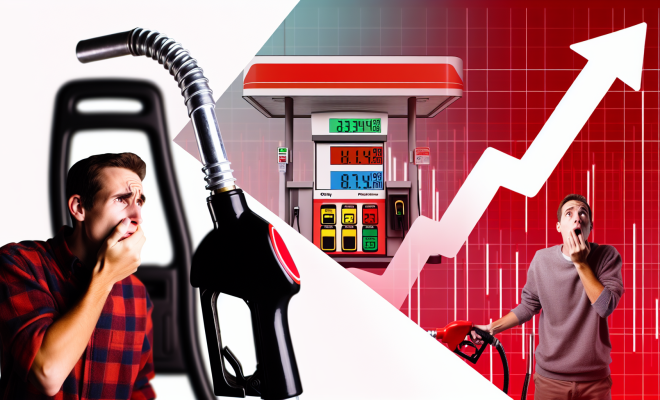
The rise in gas prices under Trump has sparked significant debate across the political spectrum. With prices soaring approximately 50% since the start of his presidency, many voters are left wondering how the Republican Party, which has long positioned itself as the champion of lower fuel costs, can remain silent. This dramatic increase has not only impacted the everyday lives of Americans but also raised questions about the integrity of political rhetoric surrounding energy prices.
The Surge in Gas Prices
According to various reports, gas prices have seen a staggering increase under President Trump, with averages across the nation hitting highs that many Americans have not experienced in years. This surge can be attributed to multiple factors, including geopolitical tensions, decisions made by the Trump administration regarding oil exports, and various domestic policies that have affected the energy market.
Since taking office, Trump’s administration has faced criticism for its handling of energy policies, which many believe have contributed to rising prices. For example, the administration’s withdrawal from the Iran nuclear deal in 2018 led to renewed sanctions against the country, significantly affecting global oil supply and prices. Additionally, with growing demand and strains on supply chains, the impact on gas prices became evident.
The Political Landscape
The Republican Party has historically campaigned against high gas prices. During the Obama presidency, gas prices were frequently cited as a failure of the administration, with Republicans rallying voters around the issue. However, as prices have climbed under Trump, many GOP leaders have chosen to stay silent, raising eyebrows and prompting accusations of hypocrisy from Democrats and political analysts alike.
Democrats have seized this opportunity to highlight the perceived double standards within the Republican Party. They argue that the absence of criticism from GOP leaders regarding surging gas prices under Trump reflects a broader pattern of selective outrage based on party affiliation rather than economic principles. This contradiction is creating a growing divide between what politicians say and what they do, further complicating the political discourse surrounding energy costs.
Voter Impact
The implications of the gas price surge extend far beyond political posturing; they directly affect the daily lives of American voters. Higher gas prices lead to increased costs for commuting, goods, and services, contributing to overall inflation. Families and individuals across the nation are feeling the pinch as they navigate these financial challenges.
Despite this, many Republican voters remain loyal to the party, often citing long-standing ideological beliefs over economic realities. This loyalty is being tested, however, as the economic anxiety stemming from rising prices creates a sense of urgency among constituents. With many voters experiencing firsthand the impact of rising fuel costs, they are turning to political leaders for accountability and solutions.
The Role of Media
The media plays a crucial role in shaping public perception about the economy and political accountability. In the current climate, news outlets are increasingly reporting on the disparity between Republican rhetoric and the reality of gas prices under Trump. This coverage is contributing to public awareness and discussions about the economic policies of the administration.
Social media platforms have also amplified these discussions, with users sharing personal stories of how rising gas prices have affected their lives. The emotional resonance of these stories is fostering a sense of community and shared experience among those impacted, fueling further engagement with political content.
Debate Over Energy Policy
The surging gas prices have reignited debates over energy policy in the United States. Questions about the sustainability of energy sources, environmental concerns, and the future of fossil fuel reliance are at the forefront of political discussions. As voters express concern over rising costs, they are also becoming increasingly aware of the need for comprehensive energy reform.
Environmental advocates argue that the current crisis highlights the necessity of transitioning to renewable energy sources. They contend that investing in green technologies and sustainable practices can help mitigate the impact of fluctuations in fossil fuel prices while also addressing climate change. However, these solutions often face pushback from traditional energy sectors and political factions that prioritize immediate economic interests.
The Future of Gas Prices
Looking ahead, many are questioning when gas prices might stabilize and what factors will influence future trends. Analysts suggest that while prices may fluctuate in the short term due to geopolitical tensions and market dynamics, the long-term stability of fuel prices will depend on broader shifts in energy policy and consumer behavior.
As political leaders grapple with these complexities, voters will likely continue to demand accountability and transparency regarding gas prices. The discrepancy between the Republican Party’s previous stance on fuel costs and the current reality presents an opportunity for both parties to reassess their approaches to energy policy and economic messaging.
Conclusion
The remarkable rise in gas prices under Trump has not only affected Americans’ wallets but has also exposed significant political divides. With the Republican Party largely silent amid these surging costs, questions of accountability and integrity loom large. As voters navigate the complexities of economic anxiety and political choices, the implications of this issue will continue to resonate in the public sphere.
Ultimately, the future of gas prices and energy policy in the United States remains uncertain. However, the conversation surrounding these topics is critical for shaping a sustainable and equitable economic landscape that serves the interests of all Americans.