Why Understanding Credit Scores is Crucial Amid Soaring Mortgage Originations
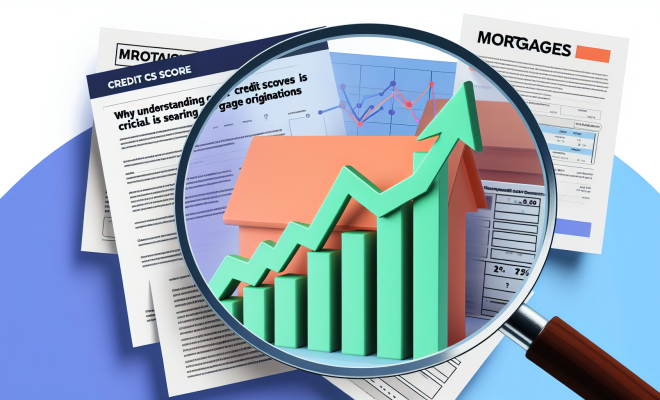
In the fourth quarter of 2025, the U.S. housing market experienced a notable increase in mortgage originations, with $524 billion approved for new home loans. This figure represents a slight rise from $512 billion in the previous quarter, pushing total mortgage debt in the nation to a staggering $13.17 trillion. However, amidst this apparent surge in lending, a deeper examination of borrower profiles, particularly credit scores, reveals a more complex narrative about access to home financing in today’s challenging economic climate.
The Resilience of Mortgage Originations
Despite ongoing economic headwinds, including inflationary pressures that have affected various sectors, the U.S. mortgage originations landscape has demonstrated unexpected resilience. The ability to secure a mortgage in such a volatile environment has sparked significant debate around housing affordability and the caution exercised by lenders. While the numbers indicate a robust activity level, they also suggest that only a select group of borrowers is managing to navigate the stringent lending criteria in place.
Understanding Credit Scores and Their Impact
As mortgage originations continue to climb, the median borrower credit score has remained stable at 775. This statistic is critical because it underscores that only highly qualified buyers are accessing loans in what many perceive to be a high-rate environment. Lenders have tightened their credit standards, making it increasingly challenging for those with lower credit scores or less robust financial profiles to secure financing.
This reality has fueled widespread discussions on social media platforms, where homeowners and aspiring buyers express their concerns about potential exclusion from the market. The fear of being priced out is palpable, with many expressing anxiety over whether they can still afford to purchase a home as prices continue to escalate. In this landscape, understanding one’s credit score becomes crucial not just for individual buyers, but also for anyone looking to navigate the complexities of today’s housing market.
The Social Media Buzz
The ongoing discourse surrounding mortgage originations, credit scores, and housing affordability has ignited a wave of engagement online. Many are sharing their experiences and insights, highlighting how the current economic climate is affecting their homeownership aspirations. The influx of posts discussing these themes creates a sense of urgency among potential buyers, leading to a phenomenon often referred to as FOMO—the fear of missing out.
- Inflation Impact: The rising costs associated with inflation have complicated the equation for future homebuyers.
- Market Timing: Individuals are left debating whether now is the right time to enter the housing market.
- Credit Awareness: Many are realizing the importance of maintaining good credit scores to qualify for favorable mortgage terms.
The Hidden Truth Behind the Numbers
While the impressive mortgage originations figure of $524 billion may seem encouraging, it is essential to recognize the underlying trends that accompany these statistics. The continued demand for homes amid rising interest rates highlights a paradox: more money is flowing into the housing market, yet fewer buyers are able to participate fully due to credit restrictions. This dichotomy raises important questions about housing affordability and access to homeownership in the long term.
As lenders become more cautious, it is clear that only the most qualified buyers are currently benefiting from the mortgage landscape. This scenario could lead to further disparities in homeownership rates, with those on the lower end of the credit score spectrum facing greater challenges in achieving their homeownership goals.
The Road Ahead: Implications for Buyers
For potential homebuyers looking to enter the market, understanding the implications of these trends is vital. With mortgage originations rising but qualifying barriers intact, aspiring homeowners must equip themselves with knowledge and strategies to improve their financial standing. Here are a few considerations:
- Boost Your Credit Score: Take proactive steps to improve your credit score by paying down debts and ensuring timely payments.
- Stay Informed: Keep up with market trends, mortgage rates, and lender requirements to make informed decisions.
- Consult a Financial Advisor: Seek professional guidance to help navigate the mortgage application process and tailor your approach.
Conclusion
The current landscape of mortgage originations reflects a broader narrative about economic access and financial qualification. While the rise in approval amounts may seem reassuring, the reality of tighter credit standards necessitates a careful approach for aspiring homeowners. Understanding the pivotal role of credit scores can empower individuals to better prepare for the challenges ahead, ensuring that prospective buyers can still pursue their dreams of homeownership amidst a changing financial landscape.