How Gas Prices Impact on Low Income Americans: The Disturbing Divide Exposed
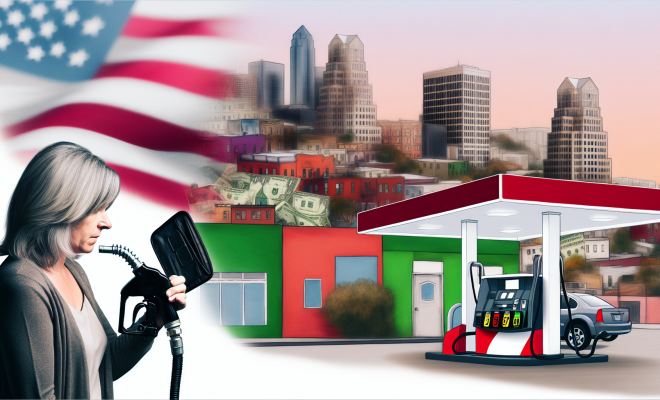
The recent spike in gas prices has opened a new chapter in economic discussions, revealing a stark divide between income classes in America. According to a recent report from the Federal Reserve Bank of New York, the gas prices impact on low income Americans has been particularly devastating, further entrenching existing socioeconomic disparities. As we delve deeper into the figures, the implications become clear: higher fuel costs are disproportionately affecting those who can afford it the least, while wealthier households continue to cushion the blow with relative ease.
The Shocking Reality of Rising Gas Prices
On February 28, 2026, geopolitical tensions escalated dramatically with the onset of the Iran war, setting off a series of economic ripples that reached U.S. consumers within weeks. By March, gas prices surged by 25%, a staggering increase that caught many households off guard. The report highlights a critical moment in the American economy, where the average gas consumption patterns began to diverge significantly along income lines.
The K-Shaped Recovery: A Divisive Pattern
The term ‘K-shaped’ recovery describes a situation in which different segments of the economy recover at different rates. In this case, it has become evident that lower-income Americans are experiencing the downward leg of the K, while higher-income households are finding ways to weather the storm. The Federal Reserve’s findings reveal that households earning less than $40,000 annually slashed their gas consumption by 7%, yet paradoxically, they ended up spending 12% more on fuel. This phenomenon highlights how essential transportation remains for these households, forcing them to allocate a larger portion of their shrinking budgets to gas.
Economic Disparities Exposed
In contrast, households earning more than $125,000 annually adjusted their spending to fit the new economic reality. These higher-income families increased their gas expenditures by 19%, but only reduced their consumption by a mere 1%. This striking disparity indicates that while wealthy households can absorb rising costs with increased spending, lower-income families are left with no choice but to cut back on consumption, ultimately revealing the gas prices impact on low income Americans.
The Broader Implications
Overall, U.S. gas usage saw a decline of 3% during this period, an indicator that many consumers, regardless of income, are feeling the pinch. However, the financial strain has been felt most acutely by those in lower-income brackets, who are often reliant on their vehicles for work, commuting, and errand-running. As these households cut back on gas usage, they may also be forced to make sacrifices in other areas of their lives, such as food and healthcare, further exacerbating inequalities.
Fueling Social Media Outrage
The emotional weight of these revelations has triggered heated discussions across social media platforms, with users expressing outrage over the systemic inequalities that the gas price spike has illuminated. The hashtag #GasPricesImpact has gained traction as people share their own anecdotes and frustrations regarding rising fuel costs and the struggles of low-income Americans. The stark contrast between the experiences of different income groups has ignited a sense of urgency for policy changes that address these disparities.
Transportation: A Lifeline for Low-Income Households
Transportation is not merely a convenience but a necessity for many low-income families. With increasing gas prices, the impact extends beyond the fuel pump; it reaches into their everyday lives. Commuting to work, school, and accessing crucial services depend on reliable transportation. As gas prices rise, the choices become increasingly dire for these households:
- Reduction in travel: Families may have to limit their travel for work or other obligations.
- Increased reliance on public transit: This can lead to longer commutes and reduced job opportunities.
- Financial strain: Higher gas prices can force families to cut back on other essentials, further entrenching poverty.
Government Response and Policy Suggestions
In light of the findings from the Federal Reserve report, there is a growing call for policymakers to acknowledge and address the devastating effects of rising fuel costs on low-income Americans. Suggestions for addressing these inequalities include:
- Implementing temporary subsidies: Consider providing gas vouchers for low-income families.
- Investing in public transportation: Enhance access to affordable and reliable public transit to reduce dependence on personal vehicles.
- Adjusting fuel taxes: Evaluate the fairness of current gas taxes and their impact on low-income households.
The Long-term Outlook
As the geopolitical climate remains uncertain, gas prices may continue to fluctuate, and the gas prices impact on low income Americans will likely persist. It’s crucial that society recognizes this issue and works toward sustainable solutions that lift the burden off those most affected by economic disparities.
Conclusion: Bridging the Gap
The report by the Federal Reserve Bank of New York sheds light on an uncomfortable truth: rising gas prices are not just a statistical inconvenience but a real hardship for many American families. The K-shaped recovery has illustrated that while some are weathering the storm, a significant portion of the population bears the brunt of rising costs. Addressing these disparities is not just a matter of economic policy, but one of social justice. As the country navigates these turbulent times, it is essential to advocate for change that uplifts all Americans, particularly those in lower-income brackets who are most vulnerable in times of crisis.
Understanding the gas prices impact on low income Americans is the first step toward creating a more equitable future—one where economic growth benefits everyone, not just a select few.