How the US Economy Growth Relies on AI and Consumer Spending Amid Rising Risks
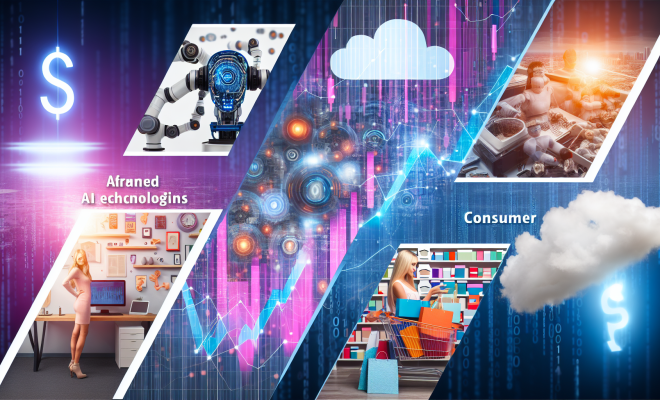
The US economy growth has recently exhibited signs of resilience, primarily fueled by two significant engines: the booming artificial intelligence (AI) sector and robust consumer spending. However, a stark warning from economists at Bank of America has raised alarms about the fragility of this growth. They have identified a precarious situation characterized as ‘two tailwinds, one risk,’ indicating that the current economic expansion is excessively reliant on these two factors. This article explores the critical dynamics behind the US economy’s growth, the potential threats from geopolitical tensions, particularly regarding Iran, and what this means for consumers and investors alike.
The Dual Engines Driving US Economy Growth
The concept of the US economy growth being driven by two primary factors—AI investment and consumer spending—highlights a transformative period in American economic history. On one hand, advancements in AI technology are catalyzing a significant shift in various sectors, increasing productivity and fostering innovation. On the other hand, consumer spending remains a vital component, underpinning the revenue streams for businesses across the nation.
The AI Boom: A Catalyst for Growth
Artificial intelligence has emerged as a cornerstone of modern economic growth, with projections indicating that it will contribute significantly to GDP in the coming years. According to David Sacks, a former advisor to Donald Trump on AI and cryptocurrency, AI capital expenditures (capex) are expected to add approximately 2.5% to GDP growth by 2026, and over 3% by 2027. This surge in investment in AI technologies is not merely a trend but rather a fundamental shift in how businesses operate and compete.
- Investment Surge: Companies across sectors are ramping up their investments in AI, driving technological advancements.
- Job Creation: The AI sector is projected to create numerous jobs, although there is ongoing debate about the impact on existing job structures.
- Increased Efficiency: AI technologies enhance operational efficiencies, leading to cost savings and productivity improvements.
These developments make the AI boom a remarkable engine for US economy growth, enhancing global competitiveness and fostering innovation.
Consumer Spending: The Backbone of Economic Activity
In parallel with AI advancements, consumer spending has remained a robust pillar supporting the US economy. Historically, consumer expenditure accounts for a substantial portion of GDP, and current trends indicate that this pattern persists. Various factors contribute to the strength of consumer spending, including:
- Wage Growth: Increases in wages and employment rates empower consumers to spend more.
- Consumer Confidence: Positive consumer sentiment fuels spending decisions, bolstering economic growth.
- Access to Credit: Low-interest rates have made borrowing more accessible, encouraging consumption.
This combination of wage growth, consumer confidence, and accessible credit creates a favorable environment for spending, thereby supporting overall US economy growth.
The Vulnerability of the Two Engines
While the AI boom and consumer spending have driven impressive growth, Bank of America’s economists caution that these factors are not invulnerable. The report highlights a significant risk associated with geopolitical tensions, particularly regarding Iran, which could jeopardize both engines of growth simultaneously.
Geopolitical Risks and Economic Stability
The potential for conflict in the Middle East, specifically involving Iran, poses a multifaceted threat to the US economy. An escalation in tensions could lead to several adverse economic conditions, such as:
- Increased Inflation: Geopolitical instability often leads to volatility in oil prices, which can trigger inflationary pressures across the economy.
- Disruption of Energy Supplies: As the AI sector relies heavily on energy for data centers and operational capabilities, disruptions could severely impact this growth.
- Investor Confidence: Heightened geopolitical risks could lead to decreased investor confidence, affecting capital inflows into the AI sector and other areas.
These factors underscore the delicate balance that sustains US economy growth, emphasizing that external shocks could have far-reaching implications.
The Interconnectedness of AI and Consumer Spending
Another critical aspect of the relationship between AI and consumer spending is their interconnectedness. The AI boom not only contributes to GDP growth but also affects consumer behavior and spending patterns. For instance:
- AI in Retail: Retailers leveraging AI for personalized marketing and inventory management can enhance consumer experiences and drive spending.
- Job Displacement Concerns: While AI creates jobs, it also poses a risk of displacement, which could dampen consumer spending if job losses occur.
- Consumer Trust: As AI technology evolves, consumers’ trust in AI-driven solutions can influence their purchasing decisions.
This dual dependency further illustrates how disruptions in one area can ripple through to affect the other, making the economy vulnerable to shocks.
The Ripple Effect of Economic Disruption
The fear of a geopolitical conflict disrupting both the AI sector and consumer spending resonates deeply within the investment community. As Bank of America’s insights have circulated, the narrative surrounding the US economy growth has shifted, drawing attention to the precariousness of relying heavily on these two engines.
Investor Sentiment and Market Reactions
The warning about potential economic disruption has led to noticeable changes in investor sentiment. Financial markets are particularly sensitive to geopolitical events, and the prospect of conflict can lead to:
- Market Volatility: Heightened risk perceptions often result in increased volatility across equity markets.
- Flight to Safety: Investors may seek to allocate resources to safer assets, impacting capital markets and liquidity.
- Sector-specific Impacts: Certain sectors, especially those linked to AI and energy, may experience pronounced fluctuations based on geopolitical developments.
This shift in investor behavior underscores the tangible impact that geopolitical risks can have on the economic landscape.
Public Perception and Consumer Behavior
The general public’s awareness of economic vulnerabilities is crucial for understanding consumer behavior during turbulent times. Should geopolitical tensions escalate, consumers may alter their spending habits based on:
- Fear and Uncertainty: Increased anxiety about economic stability can lead consumers to tighten their belts and reduce discretionary spending.
- Price Sensitivity: Rising inflation may change purchasing priorities, pushing consumers to seek value over luxury.
- Shifts in Investment: Consumers may become more hesitant to invest in long-term commitments, such as housing or large purchases.
These behavioral changes can have cascading effects on the broader economy, further highlighting the fragile nature of the current growth trajectory.
Strategies for Economic Resilience
In light of these vulnerabilities, a proactive approach will be essential for bolstering the US economy against potential shocks. Strategies aimed at enhancing economic resilience could include:
- Diversifying Energy Sources: Reducing dependence on any single energy source can mitigate risks associated with geopolitical disruptions.
- Investing in Domestic Production: Strengthening domestic production capabilities can buffer the economy against international supply chain issues.
- Fostering Innovation: Continued investment in technology and innovation can help maintain competitive advantages in the global market.
These strategies could help safeguard the engines of US economy growth and ensure a more stable economic environment.
Conclusion: Navigating the Future of US Economy Growth
The current landscape of US economy growth is characterized by both optimism and vulnerability. While the AI boom and consumer spending represent powerful drivers of economic expansion, the looming risks associated with geopolitical tension necessitate caution. The insights from Bank of America serve as a timely reminder of the interconnected nature of economic factors and the potential for external shocks to disrupt even the most promising growth trajectories.
As the US navigates these challenges, stakeholders must remain vigilant, adapting strategies that promote resilience and sustainable growth. In doing so, they can help ensure that the foundations of US economy growth remain solid in the face of uncertainty.