Why Students Are Falling Victim to Misinformation: A Critical Look at Online Information Credibility
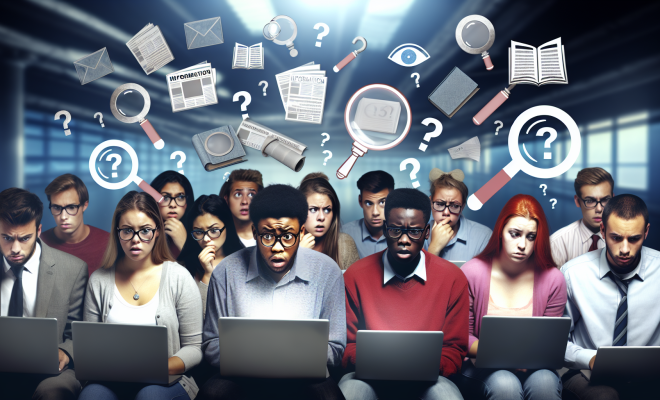
In the digital age, the ability to discern between credible and unreliable online information has become crucial. However, recent findings from Stanford University researchers highlight a troubling trend: students are struggling to evaluate the credibility of the information they encounter online. This alarming gap in critical thinking and media literacy poses serious implications, especially as misinformation proliferates across digital platforms.
The Study: Key Findings
According to the Stanford study, students, despite being digital natives, exhibit significant difficulties in identifying trustworthy sources. The research reveals that many young learners lack the necessary skills to critically evaluate the content they consume, making them susceptible to manipulation and false narratives. As misinformation, conspiracy theories, and manipulated content continue to thrive on social media, these findings resonate deeply with educators, parents, and policymakers.
The Importance of Evaluating Online Information Credibility
The internet is overflowing with information, but not all of it is reliable. Evaluating online information credibility is essential for making informed decisions. The consequences of failing to do so can be severe, affecting everything from academic performance to one’s understanding of political and social issues. The Stanford research emphasizes that students need to develop media literacy skills to navigate this complex information landscape.
The Vulnerability of Students
One of the most concerning aspects of the study is the vulnerability of students to misinformation. With the rise of social media, students are bombarded with a constant stream of information, much of which is unverified or deliberately misleading. The Stanford researchers found that many students struggle to differentiate between reliable sources and those that are not. This lack of discernment can lead to the acceptance of false information as truth, which can have dire repercussions.
Rising Threat of Deepfakes and AI-Generated Content
Adding to the challenge of assessing online information credibility are emerging technologies like deepfakes and AI-generated content. These sophisticated tools can create highly convincing yet fabricated material that can easily deceive even the most discerning viewers. The implications are staggering: if students cannot recognize traditional forms of misinformation, how will they contend with these advanced techniques?
Reactions from the Educational Community
The findings from the Stanford study have sparked urgent conversations among educators, parents, and policymakers. Many are expressing concerns about student safety in the digital realm and the apparent failure of educational institutions to equip students with the necessary skills for digital literacy. The conversation around online information credibility is increasingly urgent as educators call for changes in curricula to incorporate digital literacy training.
Calls for Educational Reform
As the need for digital literacy becomes more apparent, many advocates are calling for comprehensive reform in educational systems. They argue that teaching students how to evaluate sources critically should be a fundamental component of their education. This includes not only recognizing reliable information but also understanding the broader implications of misinformation on society.
Developing Media Literacy Skills
To combat the challenges posed by misinformation, it is vital to develop robust media literacy programs. These initiatives should aim to teach students how to:
- Identify credible sources of information
- Understand the difference between opinion and fact
- Recognize bias and propaganda in various forms of media
- Evaluate the reliability of online information
- Engage critically with content on social media platforms
By instilling these skills, educators can empower students to navigate the digital landscape with confidence and discernment, fostering a generation capable of challenging misinformation.
The Role of Parents in Supporting Media Literacy
Parents also play a crucial role in helping their children develop online information credibility skills. Encouraging open discussions about the information consumed online and guiding children towards credible sources can create a supportive environment for learning. Parents can promote media literacy by:
- Engaging in conversations about current events and the news
- Demonstrating how to fact-check information
- Encouraging critical thinking about the media consumed
- Modeling healthy skepticism toward sensationalized news
By actively participating in their children’s media consumption, parents can help mitigate the risks associated with misinformation.
Addressing the Issue on a Policy Level
Policymakers must also take action to address the rising tide of misinformation and the need for enhanced media literacy in education. This could include:
- Funding for digital literacy programs in schools
- Creating national standards for media literacy education
- Incentivizing collaboration between educational institutions and tech companies to develop effective resources
- Raising public awareness about the importance of online information credibility
Such measures could play a pivotal role in ensuring that students are equipped to navigate the complexities of the digital world.
The Future of Information Literacy
The conversation around online information credibility is just beginning. As misinformation continues to evolve, so too must our approaches to education and media literacy. It is imperative that we take collective action—educators, parents, and policymakers alike—to foster an environment where students can critically engage with the information they encounter.
Conclusion: A Collective Responsibility
The Stanford study sheds light on a critical issue facing today’s students: the inability to judge the credibility of online information. This skill gap has profound implications for individual students and society as a whole. As misinformation permeates our digital landscapes, it is crucial to prioritize media literacy education and equip the next generation with the tools necessary for discerning truth from falsehood. By fostering a culture of critical thinking and media literacy, educators, parents, and policymakers can work together to create a safer, more informed digital environment for all.