Navigating the Future: How AI is Shaping Career Choices Among Students
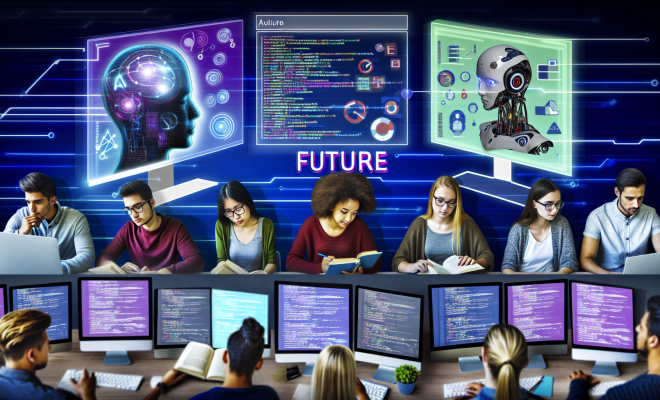
As technology continues to evolve at an unprecedented pace, artificial intelligence (AI) stands at the forefront of this transformation, impacting various sectors, including education and career planning. A recent survey indicates that nearly 42 percent of college-eligible students foresee AI playing a significant role in their career choices. This trend raises pertinent questions about the implications of AI on job markets and educational pathways.
The Growing Influence of AI on Career Decisions
According to the survey, 10 percent of students have already altered their intended major due to concerns over AI’s impact on future job availability. This statistic underscores a growing unease among students regarding the fluidity of job markets as AI technologies become more integrated into various industries.
Understanding Student Concerns
Half of the respondents expressed feelings of uncertainty about how AI will influence their career trajectories. This uncertainty is often accompanied by a mix of anxiety and apprehension. Many students report feeling:
- Concerned about job security
- Nervous about their skill sets becoming obsolete
- Depressed regarding the future of work
Such sentiments reflect a broader anxiety that has permeated the student population, as they grapple with the implications of AI on their future opportunities.
Insights from Recent Polls
These findings mirror data from a recent Gallup and Lumina Foundation poll, which revealed that 47 percent of students have considered changing their major significantly due to the rise of AI. The confluence of these surveys highlights a critical juncture where students are not only contemplating their immediate academic choices but are also evaluating the long-term viability of their chosen fields.
Why the Shift in Career Planning?
Several factors contribute to this shift in career planning among students:
- Rapid Technological Advancement: The pace at which AI is advancing is unprecedented. Students are aware that certain jobs may be automated, leading them to reconsider their academic paths.
- Job Market Dynamics: The changing landscape of job opportunities due to AI implementation is a concern. Fields that were once stable may face disruptions, making students wary of pursuing them.
- Skill Relevance: There is a growing emphasis on acquiring skills that complement AI rather than compete with it. This reality is prompting students to seek educational experiences that provide them with a competitive edge.
As students navigate these complexities, it becomes evident that they are not merely passive recipients of information but active participants in shaping their futures.
The Psychological Impact of AI on Students
The emotional toll that the rise of AI is taking on students is noteworthy. The concerns regarding job security and the relevance of their education can lead to:
- Increased Stress: The pressure to stay relevant in a rapidly changing job landscape is causing heightened stress among students.
- Decision Fatigue: The necessity to constantly evaluate and possibly change their career trajectories can lead to decision fatigue.
- Shifts in Mental Health: Feelings of depression and anxiety regarding future employment possibilities are becoming more prevalent.
Addressing these psychological impacts is crucial, as they can affect students’ academic performance and overall well-being.
Preparing for an AI-Driven Future
Educational institutions play a vital role in preparing students for a future influenced by AI. Here are several strategies that colleges and universities can adopt:
- Curriculum Development: Integrating AI-related courses and content into existing curricula can help students understand the technology’s implications and applications.
- Career Counseling: Providing robust career counseling services that focus on the evolving job market can assist students in making informed decisions.
- Skill Development Programs: Offering workshops and training sessions on relevant skills, such as data analysis, coding, and AI ethics, can better prepare students for the demands of the workforce.
By proactively addressing these areas, educational institutions can help mitigate the anxieties faced by students and empower them to make informed career choices.
Conclusion: Embracing Change
The rise of AI presents both challenges and opportunities for students at a pivotal moment in their academic and professional lives. As the data suggests, a significant portion of students is closely evaluating how AI will shape their career paths. While the concerns are valid, embracing change and adapting to new technologies can ultimately lead to innovative solutions and career possibilities.
As students and educators navigate this new landscape together, fostering an environment of adaptability, continuous learning, and resilience will be essential in meeting the demands of an AI-driven future.