Ransomware Attack on Sandhills Medical Foundation: A Deep Dive into the Breach Affecting 170,000 Patients
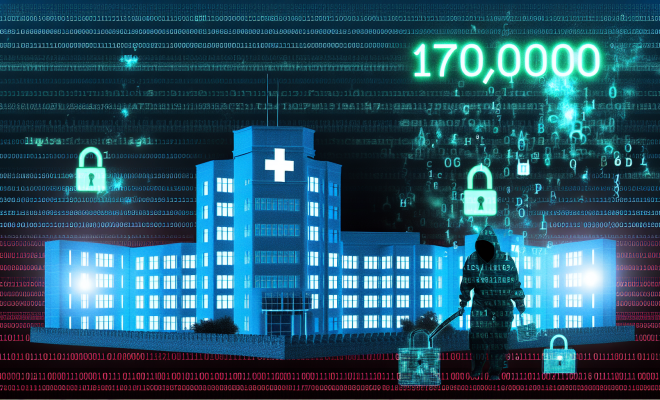
The landscape of cybersecurity threats continues to evolve, and the healthcare sector remains one of the most vulnerable industries. The recent ransomware breach at Sandhills Medical Foundation, a healthcare provider based in South Carolina, serves as a stark reminder of the risks posed by cybercriminals. The incident has reportedly compromised the personal information of nearly 170,000 individuals, drawing attention to the urgent need for robust cybersecurity measures in healthcare.
Understanding the Breach
Sandhills Medical Foundation disclosed the breach in a report submitted to the Maine Attorney General’s Office. While details regarding the specific nature of the attack remain limited, the implications of such a breach are far-reaching, affecting both the institution and its patients.
The Impact on Patients
For the nearly 170,000 individuals affected, the breach raises significant concerns about the safety of their personal information. Ransomware attacks often involve unauthorized access to sensitive data, which can include:
- Names
- Addresses
- Social Security numbers
- Medical histories
- Insurance details
The exposure of such data can lead to identity theft, fraud, and other forms of cybercrime, leaving patients vulnerable long after the initial breach.
The Ransomware Landscape
The incident at Sandhills Medical is part of a broader trend in which healthcare organizations face increasing attacks from ransomware groups. These groups often target healthcare facilities because they are critical infrastructure with sensitive data and typically lack the robust cybersecurity measures seen in other sectors.
Why Healthcare is a Prime Target
Several factors contribute to the healthcare sector being a lucrative target for cybercriminals:
- Value of Data: Medical records are often worth more on the dark web than credit card information, making them appealing targets.
- Urgency of Services: Healthcare providers are more likely to pay ransoms quickly to restore services and access critical patient data.
- Legacy Systems: Many healthcare organizations operate on outdated IT infrastructure, which may lack necessary security updates.
- Inadequate Training: Employees may not be sufficiently trained to recognize phishing attempts or other cyber threats.
Lessons Learned from the Sandhills Medical Breach
As the investigation into the Sandhills Medical breach unfolds, there are several key lessons that other healthcare providers can take away to fortify their cybersecurity defenses:
1. Implementing Stronger Security Protocols
Healthcare organizations should prioritize the implementation of comprehensive security protocols. This includes:
- Regular software updates and patches
- Multi-factor authentication for accessing sensitive data
- Data encryption both at rest and in transit
2. Employee Training and Awareness
Employees are often the first line of defense in cybersecurity. Regular training sessions on recognizing phishing attempts and other cyber threats can significantly reduce the chances of a successful attack.
3. Incident Response Planning
Having a well-documented incident response plan can help organizations respond swiftly to breaches. This plan should include:
- Identification of key response personnel
- Steps to contain and mitigate the breach
- Communication strategies for informing affected individuals
4. Regular Security Assessments
Conducting regular security assessments and penetration testing can help organizations identify vulnerabilities before they can be exploited by attackers.
Regulatory and Legal Implications
The breach at Sandhills Medical Foundation also highlights the regulatory landscape surrounding data breaches in healthcare. Organizations must comply with various regulations, including:
- Health Insurance Portability and Accountability Act (HIPAA): This federal law mandates the protection of patient health information and imposes significant penalties for non-compliance.
- State Data Breach Notification Laws: Many states require organizations to notify affected individuals of data breaches within a specified timeframe.
Failure to comply with these regulations can lead to severe financial penalties and damage to an organization’s reputation.
The Future of Cybersecurity in Healthcare
As the healthcare sector continues to digitize and integrate technology, the importance of cybersecurity cannot be overstated. Organizations must adopt a proactive approach to cybersecurity to protect sensitive patient data and maintain trust in the healthcare system.
Investing in Advanced Technologies
Investing in advanced cybersecurity technologies, such as artificial intelligence and machine learning, can help healthcare organizations detect and respond to threats in real-time. These technologies can analyze patterns and identify anomalies that may indicate a potential breach.
Collaboration Across the Industry
Collaboration among healthcare providers, government agencies, and cybersecurity experts can lead to improved security practices and shared resources. Initiatives that promote information sharing about threats can help organizations stay ahead of emerging risks.
Conclusion
The ransomware breach at Sandhills Medical Foundation is a clarion call for the healthcare sector to take cybersecurity seriously. With nearly 170,000 individuals affected, the repercussions of this incident will resonate for years to come. By learning from this breach and implementing stronger security measures, healthcare organizations can protect their patients and secure their data against future threats.