
NASA’s Curiosity Rover Unveils a Treasure Trove of Organic Molecules on Mars, Sparking New Hopes for Ancient Life
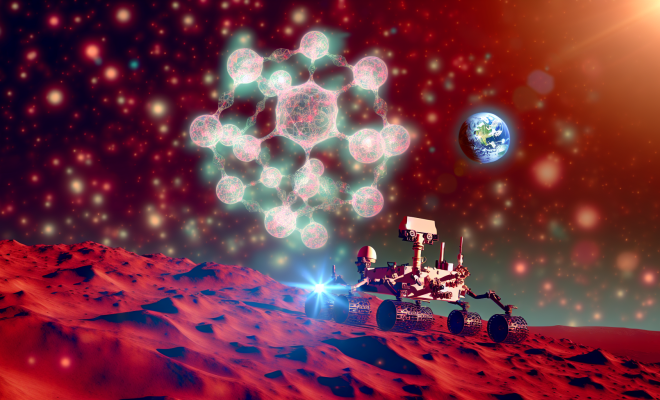
In a groundbreaking revelation, NASA’s Curiosity rover has detected the most diverse array of organic molecules ever discovered on Mars, including the longest organic molecules identified to date. This remarkable finding, announced on April 24, 2026, not only enhances our understanding of the Red Planet’s chemical landscape but also ignites new hopes for the existence of ancient microbial life on Mars. With key scientists from NASA leading the charge, this research marks a significant leap forward in the field of astrobiology and our quest to understand the origins of life beyond Earth.
The Significance of Organic Molecules
Organic molecules, which are primarily composed of carbon, are fundamental to life as we know it. On Earth, they serve as the building blocks of all living organisms, playing crucial roles in biological processes. The discovery of organic compounds on another planet, particularly on Mars, raises profound questions about the potential for life in environments that were once thought to be inhospitable.
Understanding the Discovery
The Curiosity rover, equipped with an array of scientific instruments, has been exploring the Martian surface since its landing in 2012. Its primary mission has been to assess the planet’s habitability and search for signs of past life. The recent detection of these complex organic molecules comes from detailed analyses of Martian soil samples, which Curiosity has been diligently collecting and studying over the years.
Researchers utilized the rover’s Sample Analysis at Mars (SAM) suite, which enables the examination of soil and rock samples. The SAM instrument is capable of identifying organic molecules by heating the samples and analyzing the gases released. This technique has allowed scientists to pinpoint not only the presence of organic molecules but also their diversity and complexity.
What Were the Findings?
The findings from Curiosity reveal an unprecedented variety of organic compounds, including the longest organic molecules ever detected on Mars. This comprehensive suite includes hydrocarbons, aromatic compounds, and other carbon-based structures that are critical for understanding the planet’s geological and chemical history.
- Hydrocarbons: These organic compounds, composed solely of hydrogen and carbon, are often associated with biological processes. Their presence on Mars suggests that the planet may have had the necessary conditions for life.
- Aromatic Compounds: These complex molecules, characterized by their ring-like structure, have been linked to biological activity on Earth. Their discovery on Mars raises intriguing possibilities about similar processes occurring in the planet’s past.
- Long-Chain Organic Molecules: The identification of the longest organic molecules detected on Mars is particularly significant. These structures may provide insights into the environmental conditions that existed when they formed and whether they have any biological relevance.
The Implications for Astrobiology
The implications of these findings extend far beyond Mars. They provide a critical piece of the puzzle in our understanding of how life might arise in extraterrestrial environments. The presence of diverse organic molecules suggests that Mars may have had the necessary ingredients for life, at least in its ancient past.
Potential for Ancient Microbial Life
The discovery of organic molecules on Mars is particularly exciting for astrobiologists. These compounds could be remnants of ancient microbial life that once thrived on the planet when it had a more hospitable environment, potentially featuring liquid water and a stable climate. The existence of such life forms would have profound implications for our understanding of life in the universe.
Scientists believe that these organic molecules could have formed through various processes, including biological activity, geological reactions, or even extraterrestrial impacts. Determining the origins of these compounds is a complex challenge that researchers are now actively pursuing.
Future Research Directions
The discoveries made by the Curiosity rover have opened new avenues for research on Mars. Future missions, including the upcoming Mars Sample Return mission, aim to bring Martian soil and rock samples back to Earth for more detailed analysis. Such studies could help scientists better understand the nature of the organic molecules found and their potential links to life.
- Sample Return Missions: The Mars Sample Return project, a collaboration between NASA and the European Space Agency (ESA), plans to collect samples from the Martian surface and return them to Earth for comprehensive analysis. This could provide definitive evidence regarding the presence of past life on Mars.
- Advanced Instrumentation: Future missions may carry even more advanced instruments capable of detecting a broader range of organic compounds and providing insights into their formation and stability over time.
- Collaboration with Earth-Based Research: Findings on Mars will be compared with research conducted on Earth, particularly in extreme environments where life has been found to survive. This could enhance our understanding of the potential for life in similar extraterrestrial conditions.
Broader Implications for the Search for Life
The discovery of a diverse range of organic molecules on Mars not only enhances our understanding of the Red Planet but also influences how we search for life in the universe. It reinforces the idea that other celestial bodies, including moons and exoplanets, may harbor similar chemical precursors for life.
Exoplanet Research
The ongoing exploration of exoplanets—planets outside our solar system—has gained substantial momentum in recent years. The discovery of organic compounds on Mars encourages researchers to focus on identifying similar chemical signatures on distant worlds. Instruments like the James Webb Space Telescope are already working to analyze the atmospheres of exoplanets for potential biosignatures.
Conclusion
NASA’s Curiosity rover has made a landmark discovery that may redefine our understanding of life’s origins. The detection of the most diverse and longest organic molecules on Mars raises tantalizing questions about the planet’s potential for hosting ancient microbial life. As scientists continue to analyze these findings and plan future missions, the quest to uncover the secrets of Mars and the broader universe remains a thrilling frontier in the field of astrobiology.
The implications of this research extend far beyond our own planet, inviting us to ponder the possibility that we are not alone in the universe. With each new discovery, we come closer to answering the age-old question: are we alone in the cosmos?


