Revolutionizing AI: The Groundbreaking Brain-Inspired Chip that Could Cut Energy Consumption by 70%
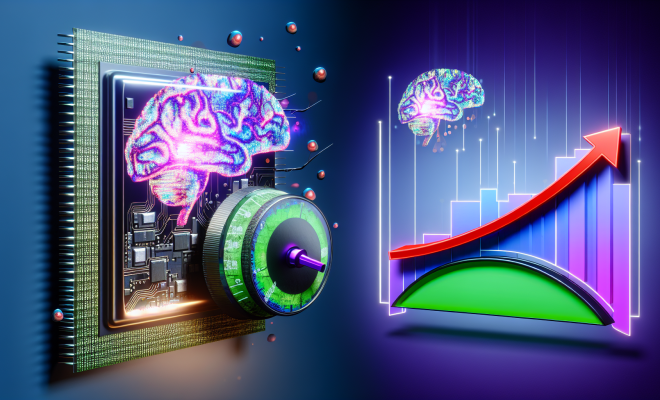
In a monumental leap forward for artificial intelligence (AI) technology, researchers have unveiled a groundbreaking nanoelectronic chip that mimics the brain’s neural processes, potentially reducing energy consumption in AI systems by an astounding 70%. This revolutionary development, reported by the University of …, marks a significant stride toward creating smarter and more efficient AI applications.
The Energy Challenge in AI
As AI technologies continue to evolve, they have become increasingly energy-intensive. Current AI systems often rely on traditional chips that require substantial power to process vast amounts of data. The constant movement of information between different hardware components results in energy waste, making it imperative to find solutions that can mitigate this issue.
Understanding the Energy Drain
AI systems, particularly those involved in machine learning and deep learning, demand significant computational resources. The energy consumption of these systems can be likened to running a small city. As a result, the search for more efficient hardware has become a priority for researchers and engineers alike. This quest for efficiency is not just about reducing costs; it’s also about enabling broader access to AI technologies across various sectors without the environmental burden.
The Breakthrough: A Brain-Inspired Chip
The recent innovation from the University of … centers around a tiny, brain-inspired chip made from a modified form of hafnium oxide. This material is significant because it allows the chip to process and store information in a manner similar to how biological neurons operate. By replicating the functionality of the human brain, this chip can perform complex tasks using much less energy than conventional chips.
How the Chip Works
The key to the chip’s efficiency lies in its unique architecture. Unlike traditional chips that rely on separate processes for data storage and processing, this nanoelectronic device integrates these functions into a single operation. This design not only reduces energy consumption but also increases the speed and adaptability of AI applications.
- Data Processing: The chip processes information in a way that closely resembles neural activity in the brain, allowing it to handle multiple tasks simultaneously.
- Energy Efficiency: It operates at ultra-low power, significantly cutting down on the energy required for AI computations.
- Scalability: The design can be scaled up or down, making it versatile for various applications in AI.
Potential Applications
The implications of this new chip are vast, with potential applications spanning numerous industries. From healthcare to autonomous vehicles, the increased efficiency of AI systems could revolutionize how we approach complex problems.
Healthcare Innovations
In the healthcare sector, AI has already begun to transform diagnostics and patient care. With the introduction of this energy-efficient chip, medical devices could analyze patient data in real-time, leading to faster diagnosis and personalized treatment plans. Imagine AI systems that can monitor vital signs and predict potential health issues before they arise, all while consuming less power.
Autonomous Vehicles
Autonomous vehicles rely heavily on AI to process data from various sensors and make decisions on the road. The brain-inspired chip could enhance these systems, allowing for faster response times and improved safety features. The reduction in energy consumption would also contribute to the overall efficiency of electric vehicles, making them more sustainable.
Smart Cities
As cities become smarter, the integration of AI into urban infrastructure is essential. This chip could facilitate smarter traffic management systems, optimized energy use in buildings, and enhanced public safety measures. By reducing the energy footprint of these AI systems, cities can work toward sustainability goals while improving the quality of life for residents.
The Future of AI with Brain-Inspired Technology
The development of this brain-like chip is a pivotal moment in the field of AI. It not only addresses the pressing issue of energy consumption but also paves the way for more advanced and capable AI systems. As researchers continue to refine this technology, the potential for further breakthroughs is enormous.
Research and Development
The ongoing research into brain-inspired computing emphasizes the importance of interdisciplinary collaboration. By combining insights from neuroscience, materials science, and computer engineering, researchers are creating innovative solutions that were previously thought to be unattainable. The progress made with the hafnium oxide chip serves as a testament to the power of such collaborations.
Environmental Impact
Reducing energy consumption in AI systems has far-reaching implications for the environment. As the demand for AI technologies grows, so does the need for sustainable practices. This chip could lead to a decrease in carbon emissions associated with AI operations, contributing to global efforts to combat climate change.
Conclusion
The introduction of the brain-like chip from the University of … marks a significant milestone in the pursuit of energy-efficient AI technologies. By mimicking the brain’s architecture and functionality, this innovative device has the potential to transform various industries while addressing the critical challenge of energy consumption. As we stand on the brink of a new era in artificial intelligence, the implications of this technology promise to be profound, ushering in smarter, more adaptable, and environmentally friendly AI systems.
As further research and development take place, it will be fascinating to observe how this technology evolves and what new applications emerge. The future of AI is not just about intelligence; it’s about achieving that intelligence sustainably and responsibly.