Climate Crisis: A Third of the World Faces Increased Heatwaves and Droughts by 2100
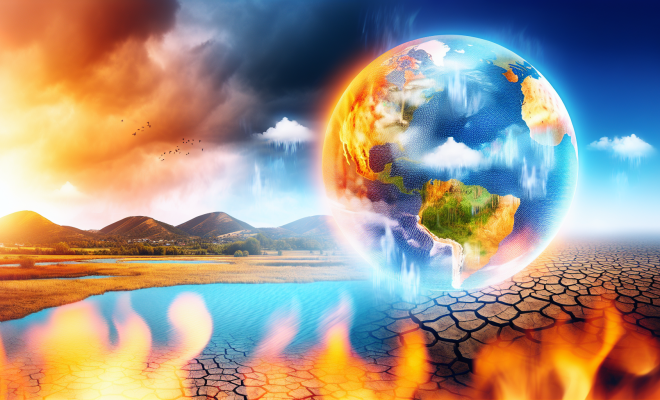
The alarming effects of climate change are becoming increasingly evident, and a recent study has drawn attention to the potential for catastrophic weather events in the coming decades. According to research published on April 22, 2026, it is projected that by the year 2100, approximately one-third of the global population could experience a significant rise in the frequency and intensity of heatwaves and droughts. This study underscores the critical need for immediate and robust climate policy interventions to mitigate these dire outcomes.
The Impacts of Climate Change on Weather Patterns
Climate change has already begun to affect weather patterns across the globe, leading to more extreme weather events. Rising temperatures, shifting precipitation patterns, and increased frequency of natural disasters are just a few of the consequences of neglecting environmental sustainability. The new study indicates that without aggressive mitigation efforts, we could see a **dramatic increase** in heatwaves and droughts, particularly in vulnerable regions that are already facing ecological challenges.
Key Findings of the Study
The research, conducted by an international team of climate scientists, provides several critical insights into the future of global weather patterns:
- Tripling of Heatwave Days: Affected regions could see the number of heatwave days tripling, leading to severe health implications and increased mortality rates.
- Regional Vulnerabilities: Areas already struggling with water scarcity and agricultural challenges are projected to be hit the hardest, exacerbating existing socio-economic issues.
- Global Population at Risk: Approximately 33% of the world’s population is expected to face these extreme weather conditions, posing significant risks to livelihoods and food security.
- Importance of Mitigation: The study emphasizes that immediate and aggressive climate action is necessary to prevent the most severe outcomes of climate change.
Understanding Heatwaves and Droughts
To grasp the implications of the study, it is crucial to understand what constitutes a heatwave and a drought. A heatwave is typically defined as a prolonged period of excessively hot weather, which may be accompanied by high humidity. Drought, on the other hand, refers to an extended period of deficient precipitation relative to the statistical multi-year average for a region. Both phenomena have profound impacts on human health, agriculture, and the environment.
The Health Implications of Rising Temperatures
Heatwaves pose significant health risks, particularly among vulnerable populations such as the elderly, children, and those with pre-existing health conditions. The increased incidence of heat-related illnesses, including heat exhaustion and heat stroke, can lead to higher mortality rates. Additionally, air quality often deteriorates during heatwaves, leading to respiratory issues and other health concerns.
Agricultural Challenges Due to Drought
Drought conditions can devastate agricultural productivity, leading to food shortages and increased prices. Crops such as wheat, maize, and rice are particularly susceptible to water scarcity. Reduced yields can have cascading effects on food security, impacting nutrition and economic stability in affected regions.
Vulnerable Regions Around the Globe
The study highlights several regions particularly vulnerable to the effects of climate change. These include:
- Sub-Saharan Africa: Already facing significant challenges related to food and water security, this region is projected to experience severe droughts that could exacerbate existing hardships.
- South Asia: Countries such as India and Pakistan are expected to face increased heatwaves, impacting millions of people and threatening agricultural output.
- Southern Europe: The Mediterranean region is likely to see a rise in heatwave days, affecting tourism, agriculture, and water availability.
- North America: The southwestern U.S. is projected to experience more frequent and intense droughts, impacting water resources and agricultural practices.
The Urgency for Policy Action
Given the dire projections outlined in the study, the urgency for climate policy action cannot be overstated. Climate scientists emphasize the need for global cooperation and commitment to reduce greenhouse gas emissions and implement sustainable practices.
Strategies for Mitigation
Some of the key strategies that could mitigate the impacts of climate change include:
- Transitioning to Renewable Energy: Investing in renewable energy sources such as solar, wind, and hydroelectric power can significantly reduce carbon emissions.
- Enhancing Energy Efficiency: Improving energy efficiency in buildings, transportation, and industry can lead to substantial reductions in energy consumption.
- Reforestation and Afforestation: Planting trees and restoring forests can help sequester carbon dioxide from the atmosphere.
- Promoting Sustainable Agriculture: Implementing sustainable agricultural practices can enhance food security while minimizing environmental impact.
Conclusion
The warnings issued by this recent study serve as a clarion call for urgent action against climate change. With one-third of the world’s population potentially facing increased heatwaves and droughts by 2100, the time to act is now. Governments, organizations, and individuals must work together to implement effective policies and practices aimed at mitigating the impacts of climate change. Only through collective action can we hope to secure a sustainable future for generations to come.