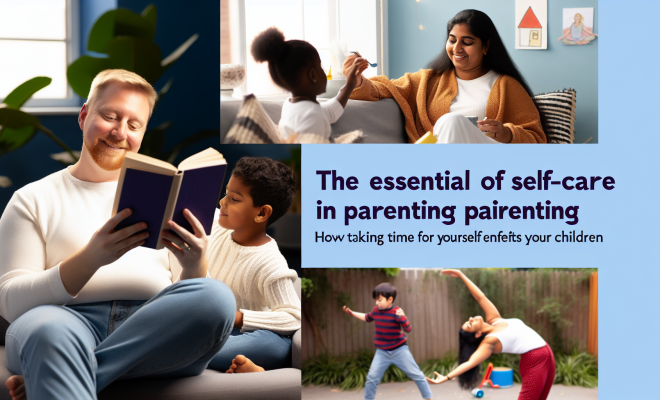
The Essential Role of Self-Care in Parenting: How Taking Time for Yourself Benefits Your Children
Introduction
In the fast-paced world of parenting, it often feels like there aren’t enough hours in the day. Parents juggle a multitude of tasks, from preparing meals and managing school routines to navigating the emotional landscape of their children’s lives. With so many responsibilities, it is all too common for parents to place their own needs on the back burner. However, prioritizing self-care is not just a personal benefit; it has profound implications for the emotional health and development of children.
Understanding Self-Care
Self-care encompasses a wide array of activities and practices that individuals engage in to maintain and enhance their physical, mental, and emotional well-being. It is not merely a luxury or an indulgence; rather, it is a fundamental necessity for effective parenting.
The Importance of Self-Care for Parents
When parents neglect their own needs, they can experience a range of negative consequences, including increased stress, burnout, and even physical health issues. Here are some key reasons why self-care is essential:
- Emotional Resilience: Caring for oneself helps parents manage stress and build emotional resilience, enabling them to respond to their children’s needs more effectively.
- Role Modeling: Parents are the primary role models for their children. When children see their parents engaging in self-care, they learn that it is normal and acceptable to prioritize one’s own health and happiness.
- Better Relationships: Taking time for self-care can improve relationships within the family by fostering a more positive and calm atmosphere.
- Improved Mental Health: Self-care activities contribute to better mental health, reducing symptoms of anxiety and depression, which can otherwise affect parenting.
How Parents’ Self-Care Affects Children
Children are keen observers and often mirror the behaviors they see in their parents. When parents engage in self-care, it sends a powerful message to children about the importance of taking care of oneself.
Learning Through Observation
Research indicates that children learn behaviors primarily through observation. When a child sees a parent taking a moment to rest, enjoying a cup of tea, or engaging in a hobby, they internalize these actions as acceptable and even necessary. This modeling can have lasting effects on their emotional health and coping mechanisms.
Promoting Healthy Coping Mechanisms
Parents who practice self-care demonstrate effective coping strategies to manage stress. Simple actions, such as going for a walk or taking a few minutes of quiet time, exemplify healthy ways to handle life’s challenges. Children who witness these behaviors are more likely to adopt similar strategies as they grow.
Building Emotional Intelligence
Self-care is not just about physical well-being; it also encompasses emotional health. By prioritizing their own emotional needs, parents can better understand and articulate their own feelings. This emotional intelligence is crucial for helping children navigate their own emotions.
Simple Self-Care Practices for Busy Parents
Engaging in self-care does not have to be complicated or time-consuming. Here are some simple practices that parents can incorporate into their daily routines:
- Mindful Moments: Dedicate a few minutes each day to mindfulness practices, such as meditation or deep breathing exercises.
- Physical Activity: Go for a short walk or engage in a quick workout routine. Physical activity is known to boost mood and reduce stress.
- Creative Outlets: Pursue hobbies that bring joy, whether it’s painting, gardening, or writing. Engaging in creative activities can be incredibly therapeutic.
- Connect with Others: Spend time with friends or loved ones, even if it’s just a quick phone call. Social connections are vital for emotional well-being.
- Limit Screen Time: Set boundaries for screen time, allowing for more time to engage in meaningful activities.
Overcoming Barriers to Self-Care
Despite the benefits of self-care, many parents struggle to integrate it into their lives. Common barriers include guilt, lack of time, and societal pressures. Here are some strategies to overcome these challenges:
Addressing Guilt
Many parents feel guilty about taking time for themselves, believing that they should always be focused on their children. It is important to reframe this mindset. Self-care is not selfish; it’s essential. A well-rested and emotionally healthy parent is better equipped to support their children.
Time Management
Finding time for self-care can be challenging. Consider breaking self-care activities into smaller, manageable chunks that can easily fit into a busy schedule. Even short breaks can be beneficial.
Creating a Supportive Environment
Encouraging a family culture that values self-care can help alleviate feelings of guilt. Discuss the importance of self-care with your children, reinforcing that everyone in the family deserves time to recharge.
Encouraging Children to Practice Self-Care
As parents prioritize their own self-care, it’s also vital to instill these values in children. Teaching kids about self-care can help them develop healthy habits that will serve them throughout their lives.
Starting Young
Introduce self-care practices early on. Simple routines such as reading a book, drawing, or taking quiet time can help children understand the concept of taking care of themselves.
Educating About Emotions
Teach children to identify and express their emotions. Provide them with the language to articulate what they are feeling, and encourage them to find healthy outlets for those emotions.
Encouraging Independence
Allow children to take charge of their own self-care by giving them choices. This may include selecting their own healthy snacks, deciding when to take a break, or choosing activities that they enjoy.
Conclusion
The journey of parenting is undoubtedly rewarding, but it can also be exhausting. In the midst of caring for their children, parents must remember that self-care is not a luxury; it is a necessity. By taking the time to prioritize their own well-being, parents not only improve their own lives but also set a powerful example for their children. When parents practice self-care, they foster an environment where children can learn the importance of balancing responsibilities with personal health. In the end, the benefits of self-care extend far beyond the individual, creating a healthier and more emotionally resilient family dynamic.