Humanoids on the Run: The Rise of Autonomous Robotics in Competitive Sports
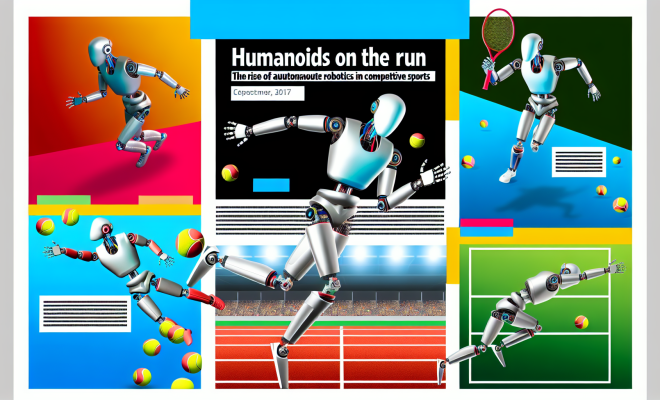
In a groundbreaking event that has captured global attention, a humanoid robot developed by Chinese smartphone manufacturer Honor has sprinted to victory in a half-marathon race held in Beijing. On April 19, 2026, the robot completed the 21-kilometer course in an impressive time of 50 minutes and 26 seconds, setting a new benchmark by surpassing the human world record for the half-marathon. This achievement not only highlights the advancements in robotics and artificial intelligence but also raises intriguing questions about the future of sports, technology, and human-robot interaction.
The Event: A Race Like No Other
The half-marathon took place in the Beijing Economic-Technological Development Area, a hub known for its focus on innovation and technological advancements. The event showcased two distinct categories of robotic participants: fully autonomous robots and remotely-controlled robots. The stark difference in scoring systems meant that while a remotely-controlled robot from Honor finished first with a time of 48 minutes and 19 seconds, it did not qualify for the same recognition due to the event’s rules favoring autonomous navigation.
Understanding the Technology Behind the Robot
The winning humanoid robot’s performance is a testament to the sophisticated technology embedded within it. The robot utilized autonomous navigation systems that allowed it to make real-time decisions and adjustments while running. This capability is a result of advancements in several areas:
- Artificial Intelligence: The robot employs AI algorithms that enable it to analyze its environment, predict obstacles, and adapt its running strategy accordingly.
- Sensor Technologies: High-precision sensors help the robot maintain balance and stability while navigating the course, simulating human-like movements.
- Machine Learning: Data from previous runs can be analyzed to improve performance, allowing the robot to learn from its experiences.
The Impact of Autonomous Robotics in Sports
This milestone in robotic competition raises fascinating discussions about the role of robots in sports and society at large. While robots have been utilized in various domains, their entry into competitive sports is relatively new and could redefine the boundaries of athleticism.
Potential Benefits
- Enhanced Training: Athletes could use robotic technology for training purposes, simulating competitive environments and improving performance metrics.
- Data Collection: The ability to collect and analyze data from robotic competitors can lead to insights that benefit human athletes.
- Inclusivity: Robotics could open up opportunities for individuals with disabilities to participate in sports, fostering a more inclusive environment.
Challenges and Concerns
- Ethical Implications: The integration of robots in sports raises questions about fairness and the essence of competition.
- Job Displacement: There are concerns that advances in robotics may lead to job losses in certain sectors, including sports coaching and training.
- Regulation: The need for regulatory frameworks to govern the use of robots in competitive sports becomes increasingly important.
A Deeper Dive into the Robot’s Design
The humanoid robot that took the spotlight in Beijing is a marvel of engineering and design. From its biomechanics to its aesthetic appeal, the robot embodies the convergence of art and science.
Biomechanics of the Robot
The design of the robot is heavily inspired by human anatomy. Its limbs are engineered to mimic the movement patterns of human runners, allowing it to achieve a natural running gait. Key components include:
- Actuators: These devices enable the robot’s joints to move with precision and speed, enabling quick adaptations to running conditions.
- Control Systems: Advanced control algorithms ensure that the robot maintains its balance and posture throughout the race.
- Energy Efficiency: The robot is designed to be energy efficient, optimizing its power consumption to sustain longer runs.
Aesthetic Features
In addition to its performance capabilities, the robot features a sleek design that incorporates modern aesthetics. Its materials and finish reflect a commitment to durability while providing a visually appealing product. This aspect emphasizes the growing trend of merging functionality with design in robotics.
The Broader Implications of Robotic Competitions
The success of the humanoid robot in the half-marathon is not merely a technological triumph; it signifies broader implications for society and various industries.
Influences on Sports Culture
The inclusion of robots in sports events could potentially alter the cultural landscape of athletics. As robots become more prevalent, the definition of athleticism may shift:
- New Fan Engagement: Spectators may develop new interests in robotic competitions, leading to a different kind of fandom.
- Redefining Heroes: Future athletes might share the spotlight with robots, creating a new narrative in sports history.
Advancements in Robotics and AI
The event also serves as a platform for showcasing the rapid advancements in robotics and AI technologies. The implications extend beyond sports:
- Healthcare: Robotic technologies could revolutionize rehabilitation and assistive care.
- Manufacturing: Enhanced robotics can lead to more efficient production processes.
- Transportation: Innovations in autonomous navigation can influence the development of self-driving vehicles.
Final Thoughts: A New Era of Competition
The victory of Honor’s humanoid robot in the half-marathon not only sets a new record but also marks the dawn of a new era in competitive sports. As robotics and AI continue to evolve, they will undoubtedly play an increasingly important role in our lives, challenging our perceptions of competition, athleticism, and human potential.
As we witness the merging of technology with sports, one thing is clear: the race is just beginning. The future may hold even greater surprises as we explore the potential of intelligent machines in the quest for excellence.