Strengthening Mental Health Support for First Responders: The Answering the Call Act of 2026
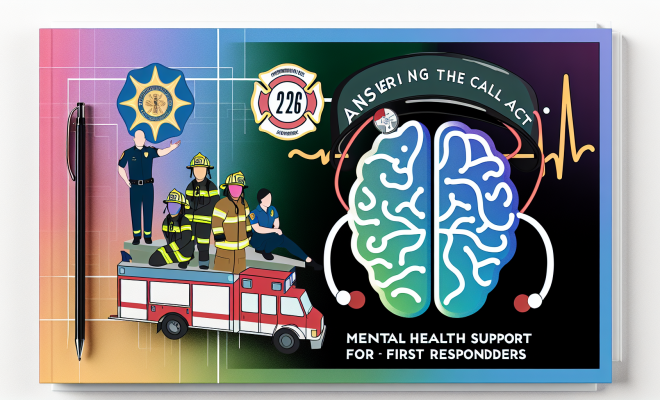
On April 17, 2026, during National Public Safety Telecommunicators Week, Representative Kat Cammack (R-FL-03) introduced the Answering the Call Act of 2026, a significant legislative initiative aimed at enhancing mental health support for first responders. This act recognizes the critical need for mental health resources among those who serve on the front lines of public safety, including police officers, firefighters, and emergency medical personnel.
The Mental Health Crisis Among First Responders
First responders are often exposed to traumatic events that can lead to serious mental health issues, including high rates of depression, anxiety, and post-traumatic stress disorder (PTSD). According to a study by the U.S. Department of Justice, first responders are more likely to experience these mental health challenges than the general population, with estimates suggesting that up to 30% of first responders may suffer from PTSD at some point in their careers.
The intense nature of their work often means that first responders face life-and-death situations regularly, which can take a toll on their mental well-being. Furthermore, the stigma surrounding mental health in the first responder community often discourages individuals from seeking help, leading to untreated conditions that can affect both their personal and professional lives.
Key Components of the Answering the Call Act
The Answering the Call Act of 2026 encompasses several important provisions designed to provide comprehensive mental health support for first responders:
- Targeted Outreach: The act proposes outreach programs specifically tailored to first responders, ensuring they are aware of available mental health resources and support systems.
- Specialized Training: The legislation calls for specialized training for mental health professionals to better understand the unique challenges faced by first responders, enabling them to provide more effective care.
- Public Awareness Campaigns: Public awareness initiatives will be launched to reduce stigma and encourage first responders to prioritize their mental health.
- Enhanced Privacy Protections: The act seeks to strengthen privacy protections for first responders seeking mental health treatment, ensuring they can access help without fear of professional repercussions.
Supporting the 9-8-8 Suicide and Crisis Lifeline
A significant aspect of the Answering the Call Act is its emphasis on the 9-8-8 Suicide and Crisis Lifeline. This national network provides crucial resources for individuals in crisis, offering immediate support and guidance. The act aims to bolster this lifeline’s capacity to serve first responders, ensuring they have access to immediate assistance when they need it most.
By integrating first responders into the 9-8-8 framework, the legislation seeks to create a robust support system that can address the unique stressors and mental health challenges these individuals face daily. This initiative is particularly timely, as the demand for mental health resources has surged in recent years, highlighting the necessity for targeted interventions.
Addressing the Stigma
The stigma associated with mental health issues remains a significant barrier for many first responders. Cammack’s legislation emphasizes the importance of reducing this stigma through public awareness campaigns that educate both first responders and the broader community about the mental health challenges faced by those in public safety roles.
By fostering an environment where mental health is openly discussed and prioritized, the Answering the Call Act aims to encourage first responders to seek help when they need it, ultimately leading to better mental health outcomes.
Legislative Support and Future Implications
Since its introduction, the Answering the Call Act of 2026 has garnered support from various stakeholders, including mental health organizations, first responder unions, and advocacy groups. These entities recognize the urgent need for improved mental health resources for first responders and have voiced their support for the legislation.
Cammack’s commitment to supporting first responders has been evident throughout her political career. She has consistently advocated for policies that prioritize the health and safety of those who serve the public, and the Answering the Call Act is a continuation of that mission.
Potential Impact of the Legislation
If passed, the Answering the Call Act of 2026 could lead to significant improvements in mental health outcomes for first responders. By providing targeted resources and support, the legislation aims to:
- Reduce the incidence of PTSD and other mental health disorders among first responders.
- Encourage a culture of wellness within first responder organizations.
- Improve overall job performance and retention rates by ensuring that first responders are mentally healthy and supported.
The potential impact of this legislation extends beyond the individual responder; improved mental health can lead to enhanced public safety overall, creating a positive ripple effect within communities.
A Call to Action
The introduction of the Answering the Call Act of 2026 serves as a powerful reminder of the sacrifices made by first responders and the importance of prioritizing their mental health. As Cammack noted in her announcement, “We must do more to support those who put their lives on the line for our communities.”
This legislation represents a critical step toward addressing the mental health crisis among first responders. As discussions continue in Congress and among stakeholders, there is hope that the collective efforts will lead to meaningful change, ensuring that those who serve on the front lines receive the support they desperately need.
Conclusion
The mental health of first responders is a pressing issue that demands immediate attention and action. With the introduction of the Answering the Call Act of 2026, Representative Kat Cammack has taken a significant step toward addressing this challenge. Through targeted outreach, specialized training, public awareness campaigns, and enhanced privacy protections, this legislation seeks to create a supportive environment for first responders facing mental health struggles.
As the legislative process unfolds, it is imperative for communities to rally around this cause, advocating for policies that prioritize the mental well-being of those who dedicate their lives to public safety. By working together, we can ensure that first responders receive the support they need to continue their vital work while maintaining their mental health.