New Car Costs Soar to $50,000 in 2026: What Buyers Need to Know
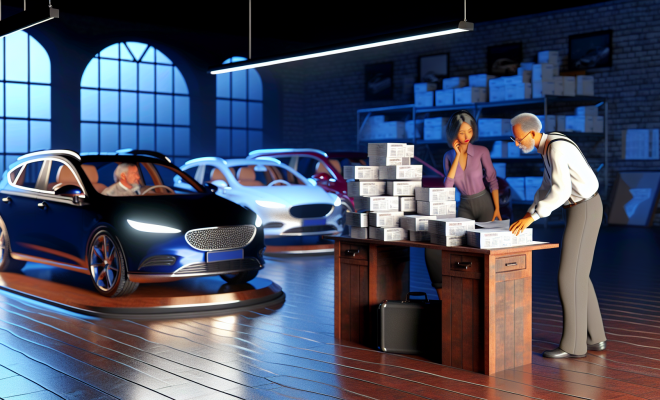
In recent years, the automotive market has witnessed a dramatic shift, with the average price of new vehicles approaching the staggering mark of $50,000. This increase is not merely a reflection of inflation; it marks a significant 30% jump over the past six years, leaving potential buyers grappling with the implications of such rising costs. The situation has prompted many consumers to reassess their purchasing power and reconsider their vehicular needs, as exemplified by the experiences of buyers like Dana Eble and Tyler Marcus from Detroit, who are navigating the complexities of upgrading from a shared 2019 Chevrolet Trax.
The Current Landscape of New Car Prices
As of April 2026, the average price of a new vehicle has reached $49,500, a figure that has sparked significant concern among consumers. This increase not only highlights the escalating costs of manufacturing and supply chain challenges but also signals changing consumer preferences and expectations in the automotive market. The uptick in prices can be attributed to various factors, including:
- Inflation and Economic Factors: Rising costs of raw materials, labor shortages, and supply chain disruptions have all contributed to higher vehicle prices.
- Technological Advancements: The integration of advanced technology, such as electric powertrains and sophisticated infotainment systems, has increased production costs.
- Increased Demand: A surge in consumer demand for new vehicles post-pandemic has further strained supply, leading to higher prices.
Understanding the Financial Impact
The financial implications of these rising prices are significant. For many consumers, the prospect of purchasing a new vehicle has become increasingly daunting. Average monthly payments—assuming a 10% down payment and a 6-year loan term—have recently reached an alarming $775. This figure represents a substantial increase that can strain the budgets of many families. To put this in perspective:
- The average monthly payment for a new vehicle has risen significantly from previous years, making it more challenging for buyers to afford a new car.
- For families and individuals who are already dealing with the rising costs of living, this added expense can lead to difficult financial decisions.
- Buyers are increasingly faced with the choice of either stretching their budgets or opting for less expensive, used vehicles.
Consumer Sentiments: The Voices of Concern
The sentiments of potential buyers like Eble and Marcus encapsulate the anxiety permeating the automotive market. Eble expressed her concerns about the affordability of new vehicles, stating, “It’s hard to imagine paying so much for a car, especially when we’re trying to save for other expenses.” Meanwhile, Marcus noted that the rising costs have forced them to reconsider their options, saying, “We’re not sure if we should stick with our current vehicle or take the plunge on something new.” Their experiences reflect a broader trend among consumers who are increasingly cautious about their spending.
Market Trends Influencing Buyer Decisions
The automotive industry is currently navigating several trends that are reshaping buyer decisions:
- Shift to Electric Vehicles: With the growing emphasis on sustainability, many consumers are considering electric vehicles (EVs) as a viable option. However, the initial costs of EVs can be prohibitive, further complicating the purchasing landscape.
- Increased Availability of Financing Options: Many dealerships are offering more flexible financing solutions to help buyers manage the higher costs, but these options often come with longer loan terms and higher interest rates.
- Adoption of Subscription Services: Some consumers are exploring subscription models that allow for vehicle access without the long-term financial commitment of purchasing, providing a potential alternative for those wary of high prices.
Strategies for Buyers in a Changing Market
As prices continue to rise, it is crucial for potential buyers to explore strategies that can help them navigate this challenging landscape:
- Research and Compare: Buyers should thoroughly research their options, comparing prices, features, and financing terms across different dealerships and online platforms.
- Consider Used Vehicles: Opting for a certified pre-owned vehicle can provide significant cost savings while still offering many of the features found in new cars.
- Negotiate Financing: Buyers should not hesitate to negotiate financing terms with lenders or dealerships to secure the best possible rates.
The Future of the Automotive Market
Looking ahead, the automotive market faces both challenges and opportunities. The convergence of technology, sustainability, and evolving consumer preferences will undoubtedly shape the landscape in the coming years. As automakers continue to innovate and adapt, buyers must stay informed to make educated purchasing decisions. Key considerations for the future include:
- Technological Advancements: Continued improvements in technology will likely influence vehicle prices, as manufacturers invest in new features and capabilities.
- Regulatory Changes: Government policies aimed at promoting electric vehicles and reducing emissions may impact pricing structures across the industry.
- Consumer Behavior: Shifts in consumer behavior, particularly in response to economic conditions, will play a significant role in determining the future of vehicle sales.
Conclusion: Navigating the New Automotive Reality
As the average price of new vehicles approaches the $50,000 mark, buyers are left to grapple with the implications of this significant increase. The experiences of individuals like Dana Eble and Tyler Marcus serve as reminders of the challenges many consumers face in today’s market. While the automotive landscape continues to evolve, it is essential for buyers to remain informed, explore their options, and make decisions that align with their financial realities. Ultimately, the road ahead will require careful navigation as buyers seek to find the balance between desire and affordability in a rapidly changing automotive world.