Lebanon Ceasefire Holds in 2026: A Fragile Hope for Peace
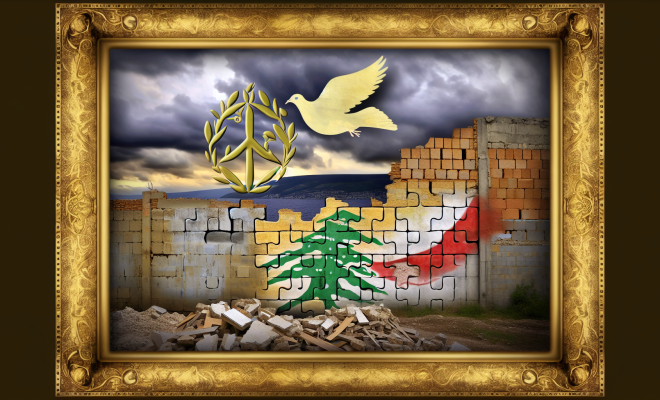
On April 17, 2026, a hard-won ceasefire in Lebanon, brokered by U.S. President Donald Trump, appears to be holding, offering a glimmer of hope for the war-torn nation and its neighbors. The ceasefire, which is set to last for 10 days, comes as a crucial step towards stabilizing a region engulfed in conflict and may set the stage for a more extended peace agreement involving key players such as Iran, the United States, and Israel.
The Context of the Conflict
The backdrop of this ceasefire is a protracted conflict that has claimed the lives of thousands across the Middle East. As of mid-April 2026, reports indicate that at least 3,000 individuals have died in Iran, over 2,100 in Lebanon, and 23 in Israel. Additionally, more than a dozen citizens of Gulf Arab states have lost their lives, along with 13 U.S. service members. This staggering loss of life underscores the urgent need for diplomatic intervention and a sustainable resolution to the ongoing hostilities.
A Historic Day for Lebanon
Describing Thursday, April 16, as a “historic day for Lebanon,” President Trump took to social media to express his optimism regarding the ceasefire’s potential to pave the way for broader negotiations. His focus was particularly on the Iran-backed Hezbollah, a powerful political and militant group in Lebanon, whose compliance could be pivotal for the success of the ceasefire.
International Reactions
The announcement of the ceasefire has elicited varied reactions from international leaders, emphasizing a collective hope for lasting peace in the region. European leaders are set to convene to discuss strategies to stabilize the situation further, particularly focusing on the geopolitical implications of the conflict, including the crucial maritime routes in the region.
Key Players in the Conflict
- Lebanon: The country has been at the center of the conflict, with its citizens bearing the brunt of the violence.
- Israel: Has faced both military and diplomatic challenges, as tensions with Hezbollah and Iranian influence continue to provoke security concerns.
- Iran: Its support for groups like Hezbollah has been a central issue in the conflict, making its role in any peace negotiations critical.
- United States: The U.S. has taken an active role in mediating the ceasefire and hopes to reduce Iranian influence in the region.
The Maritime Aspect: Stranded Vessels in the Strait
Amid the ceasefire, maritime safety also remains a pressing concern. A South Korean tanker successfully exited the Red Sea, highlighting the precarious situation faced by other vessels in the region. Reports indicate that 26 South Korean vessels remain stranded, raising alarms about shipping security and the potential for escalating maritime tensions.
Implications for Global Trade
The strait through which these vessels navigate is a vital artery for global trade. Disruptions here can have far-reaching effects on international markets and economies. As European leaders prepare for discussions, the focus will inevitably include strategies for ensuring the safety of maritime routes and the implications of ongoing regional tensions.
The Road Ahead: Challenges to Sustaining Peace
While the current ceasefire represents a significant step forward, the path to lasting peace is fraught with challenges. Analysts warn that the fragile nature of the agreement could easily be undermined by provocations from any side. The historical grievances and deep-seated animosities between the parties involved will require not only a cessation of hostilities but also a commitment to dialogue and compromise.
Hezbollah’s Role
Hezbollah’s response to the ceasefire will be crucial in determining its longevity. As an influential force within Lebanon, its actions could either contribute to a more peaceful environment or escalate tensions further. The international community is watching closely, hoping that Hezbollah will opt for cooperation over confrontation.
Regional Dynamics
The broader regional dynamics, particularly Iran’s role, will also play a significant part in the future of the ceasefire. Iran’s support for militant groups and its strategic interests in Lebanon are intertwined with the broader geopolitical landscape. Any efforts to stabilize Lebanon must consider these complex relationships.
Conclusion: A Hopeful Yet Uncertain Future
The ceasefire in Lebanon signifies a hopeful moment in a region that has seen too much bloodshed and strife. As European leaders gather to discuss further actions, the world watches, hoping that this fragile peace can be the foundation for a more stable and prosperous future for Lebanon and its neighbors. The coming days will prove critical in determining whether this ceasefire can evolve into a lasting peace agreement, or whether the cycle of violence will resume.