Kreios Space Secures NATO Investment for Satellite Propulsion
Kreios Space, a burgeoning Spanish startup, has recently captured attention in the aerospace industry by securing a significant investment from the NATO Innovation Fund. Founded in 2021 by a group of six innovative graduates, the company has successfully raised over €10 million in funding, with €8 million coming specifically from NATO, supported by 24 member nations. This funding marks a pivotal moment not only for Kreios Space but also for European defense and security initiatives.
Innovative Technology at the Forefront
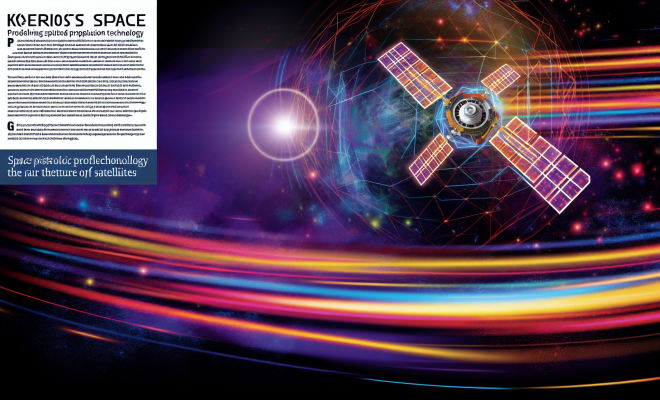
The primary innovation behind Kreios Space lies in its development of an electric engine that harnesses atmospheric drag for propulsion. This groundbreaking technology allows satellites to operate at altitudes between 150-400 kilometers, regions that were previously deemed unfeasible for such missions. The ability to utilize atmospheric drag not only enhances propulsion efficiency but also represents a significant step forward in sustainable satellite technology.
Addressing the Challenges of Satellite Operations
Traditionally, satellites rely on conventional propulsion systems, which can be costly and resource-intensive. Kreios Space’s innovative approach aims to mitigate these challenges by leveraging the atmosphere’s natural resistance to maintain or adjust satellite orbits. This technology could potentially lead to lower operational costs and increased satellite longevity, making space missions more feasible for a wider range of applications.
A Strategic Investment for NATO
The decision by NATO to invest in Kreios Space underscores the organization’s commitment to enhancing European security through technological innovation. As global security dynamics evolve, the need for advanced satellite capabilities becomes increasingly critical. The partnership with Kreios Space not only provides NATO with cutting-edge technology but also strengthens collaboration among member nations in the face of emerging threats.
Funding and Future Plans
With the substantial backing from NATO and other investors, Kreios Space is poised for rapid growth. The company plans to use the funds to further develop its technology and prepare for certification in 2026. This certification will be crucial for validating the effectiveness and reliability of their propulsion system, allowing them to enter the competitive satellite market.
- Founded: 2021
- Founders: Six graduates
- Total Funding Raised: Over €10 million
- NATO Investment: €8 million
- Certification Target: 2026
Implications for European Security and the Space Industry
The success of Kreios Space could have broad implications for both European security and the global space industry. By developing more efficient satellite propulsion systems, the company could enable a new era of satellite deployments that are not only more cost-effective but also environmentally responsible. The integration of such technology into NATO’s operations may enhance surveillance, reconnaissance, and communication capabilities across the alliance.
Building a Sustainable Future in Space
As the space industry grapples with increasing pressure to minimize its environmental impact, Kreios Space’s focus on using atmospheric drag for propulsion could set a precedent for future satellite technologies. The potential for reduced fuel consumption and diminished reliance on traditional chemical propellants aligns with global sustainability goals, paving the way for a greener approach to space exploration.
Conclusion: A New Chapter in Aerospace Innovation
Kreios Space stands at the forefront of a transformative shift in the aerospace sector. By securing NATO’s investment and developing groundbreaking propulsion technology, the startup not only enhances its prospects but also contributes to the security and sustainability of space operations in Europe and beyond. As the company moves toward its certification milestone in 2026, the aerospace community will be watching closely, eager to see how this innovative technology will reshape the future of satellite missions.