Record-Breaking Heat Wave Sweeps Across Eastern US
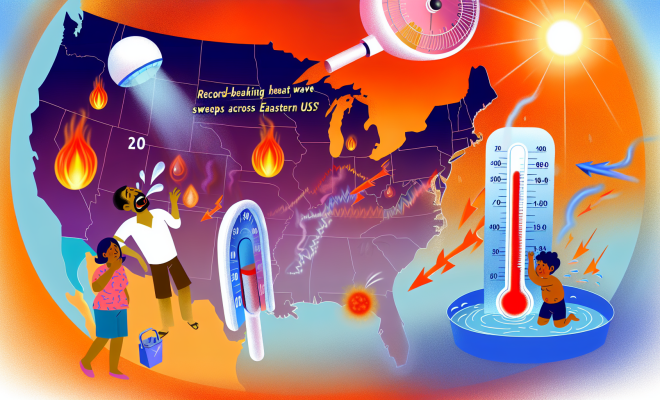
As the spring season unfolds, a significant heat wave is gripping the eastern United States, with temperatures soaring to potentially record-breaking levels. The National Weather Service has issued warnings for several major cities, including Atlanta, Philadelphia, and New York City, as they brace for an early taste of summer.
Scorching Forecasts
On April 15, the eastern seaboard is expected to experience unprecedented heat, with forecasts indicating highs of 86°F in New York City’s Central Park, dangerously close to the 1941 record of 87°F. Philadelphia is projected to reach 92°F, while Washington D.C. could see temperatures peak at a blistering 94°F. These extraordinarily high temperatures are indicative of a prolonged hot air pattern that is taking hold of the region.
Duration of the Heat Wave
What sets this heat wave apart from typical spring weather is its extended duration. Typically, April is characterized by milder temperatures as the transition from winter to summer begins. However, the current weather pattern has established a prolonged period of heat that is rare for this time of year. Meteorologists are scrambling to understand the implications of this unusual weather phenomenon.
Humidity Levels and Heat Index
While the temperatures may be soaring, it’s noteworthy that lower humidity levels are expected to alleviate some discomfort, making the heat feel slightly more bearable. The combination of heat and humidity can often create a more oppressive environment, but this time, residents may find some relief. Nevertheless, caution is advised, as the heat index can still pose health risks, particularly for vulnerable populations.
Impacts on Daily Life
The impact of such heat waves is multifaceted. For many families, this sudden spike in temperature means the early use of air conditioning and increased energy consumption. Cities may also see a rise in heat-related illnesses, prompting public health officials to issue advisories. Residents are encouraged to stay hydrated, avoid strenuous outdoor activities, and seek shade when necessary, especially during the peak hours of sun.
Weather Relief on the Horizon
Fortunately, the scorching temperatures are not expected to last indefinitely. According to the National Weather Service, a cold front is projected to sweep through the region by Sunday, bringing much-needed relief from the oppressive heat. This shift in weather patterns could usher in cooler temperatures and possibly even precipitation, helping to restore a more typical spring climate.
Historical Context of Heat Waves
Heat waves in April are not unheard of, but they are certainly not the norm. Historical data reveals that such early-season heat events are becoming increasingly common, raising concerns about climate change and its effects on weather patterns. As global temperatures continue to rise, instances of extreme weather, including heat waves, are likely to become more frequent.
What Can Be Done?
In light of these rising temperatures, it is essential for communities to prepare and respond effectively. Here are some steps that can be taken:
- Stay Informed: Regularly check weather updates and alerts from local authorities.
- Plan Ahead: Schedule outdoor activities for cooler parts of the day.
- Hydrate: Increase water intake to prevent dehydration.
- Seek Shelter: Use air conditioning or find shaded areas to avoid prolonged exposure to heat.
- Check on Vulnerable Individuals: Ensure that children, the elderly, and those with health conditions are safe and comfortable.
The Bigger Picture
The ongoing heat wave serves as a stark reminder of the changing climate and its potential consequences on daily life. As scientists continue to study these patterns, it becomes increasingly crucial for individuals and communities to adapt to the new norm of fluctuating weather extremes. Understanding and mitigating the impacts of climate change will play a pivotal role in how societies respond to future heat waves and other extreme weather events.
As we navigate through this unusually hot April, let us remain vigilant and prepared, ready to face the challenges posed by climate change and its effects on our environment.