Trump and Pope Leo XIV: A Heated Political Clash Over Iran
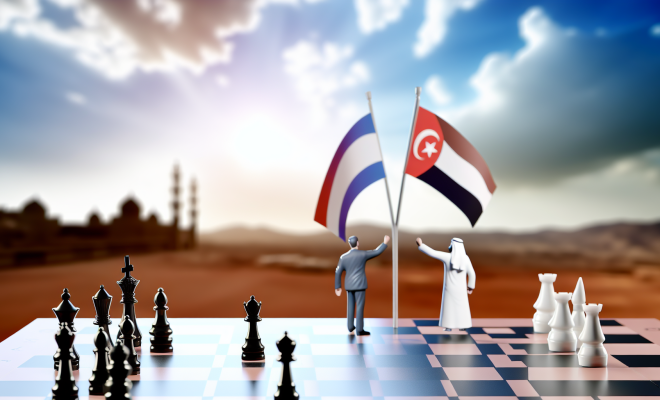
In a striking display of political friction, former President Donald Trump has launched a vehement critique of Pope Leo XIV, the first American pontiff, escalating a feud that centers around the ongoing conflict in Iran. Following the Pope’s comments regarding the ‘delusion of omnipotence’ that he claims is exacerbating the US-Israel war in the region, Trump took to social media to express his displeasure, describing the Pope as ‘not doing a very good job’ and labeling him ‘a very liberal person’ catering to the Radical Left.
Trump’s Reaction
Trump’s remarks came shortly after his return from a trip to Florida, where he was reportedly reflecting on the Pope’s comments. In a post shared on his preferred social media platform, Trump not only criticized the Pope’s leadership but also suggested that his comments had fueled division rather than unity among followers of the Catholic faith.
At the core of the feud is Pope Leo XIV’s critical stance towards US foreign policy, particularly regarding the military actions involving Iran. The pontiff’s assertions highlight a growing concern within the international community about the consequences of what he terms a ‘delusion of omnipotence’—an idea that suggests those in power may overestimate their capabilities to influence global events, leading to unintended consequences.
Context of the Conflict
The conflict in Iran has been a contentious issue for several years, with various stakeholders voicing their opinions on how the United States should approach its foreign policy in the region. Trump’s administration had been known for its hardline stance against Iran, which included withdrawing from the Iran nuclear deal and reinstating economic sanctions. The Pope, however, has advocated for dialogue and diplomacy as a means to resolve tensions, reflecting a more traditional Catholic approach to international relations.
In his comments, Pope Leo XIV emphasized the need for peace and understanding, urging world leaders to consider the long-term implications of their military actions. He argued that the ongoing violence not only affects the immediate parties involved but also has broader repercussions for global stability.
Archbishop Coakley’s Response
In the wake of Trump’s critique, Archbishop Paul S. Coakley of the US Conference of Catholic Bishops expressed his dismay, stating that he was ‘disheartened’ by the former president’s remarks. Coakley’s response highlights the sensitivity surrounding the relationship between political leaders and religious figures, particularly in the context of addressing issues of war and peace.
“It is crucial for leaders to engage in dialogue rather than resorting to division,” Coakley commented, emphasizing that the Catholic Church’s mission is one of healing and reconciliation, rather than conflict.
Public Reaction and Implications
The public response to this exchange has been mixed, with some supporters of Trump applauding his boldness in challenging a religious figure they believe has strayed from traditional values. Conversely, many within the Catholic community have rallied behind Pope Leo XIV, viewing his comments as a necessary critique of militarization and a call for a more compassionate approach to international relations.
Critics of Trump have pointed out that his remarks could further alienate those within the Catholic Church who prioritize social justice and peace, values that are often at odds with Trump’s more combative political style. This tension raises questions about the future of the Catholic Church’s influence in American politics, especially as it relates to issues of war, peace, and morality.
The Broader Political Landscape
This incident also underscores the broader political landscape in the United States, where issues of faith and politics intersect more than ever. With the 2024 presidential election approaching, Trump’s approach to religious leaders and institutions could play a significant role in shaping voter sentiment.
As the first American pope, Leo XIV’s position is particularly delicate, as he navigates the complexities of American politics while staying true to the tenets of his faith. His leadership may be viewed through various lenses, with some seeing him as a reformer and others as a divisive figure. How he handles the fallout from Trump’s comments may well define his papacy.
Conclusion
The ongoing feud between Trump and Pope Leo XIV highlights the evolving dynamics between political leaders and religious figures in contemporary America. As both sides continue to express their views on the critical issue of the Iran war, it remains to be seen how this clash of ideologies will impact the future of American politics and the role of the Catholic Church within it.