UN Report 2025: Economic Divide Widens Between Rich & Poor Nations
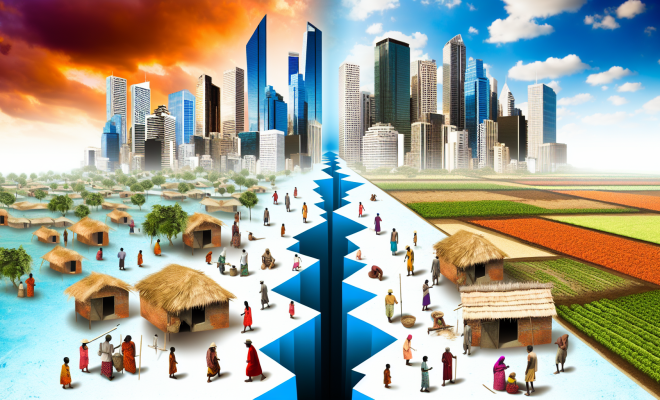
The recent report released by the United Nations has raised alarm bells regarding the widening gap between rich and poor nations, highlighting a trend that contradicts commitments made at the Seville summit last year aimed at narrowing this divide. The findings suggest that despite global efforts to achieve the 2030 development goals, the economic chasm is expanding, exacerbated by rising trade barriers and geopolitical tensions.
Surge in Export Tariffs
One of the most striking revelations in the report is the dramatic rise in tariffs on exports from the world’s poorest nations. Average tariffs have surged from 9% to 28% in 2025. This steep increase in costs can severely hinder the ability of impoverished nations to compete on the global stage, limiting their economic growth and development opportunities.
In addition, tariffs on exports from developing countries, excluding China, have also seen a significant uptick, climbing from 2% to 19%. These changes have been largely attributed to policies enacted during the Trump administration, which have had profound impacts on developing economies. The report indicates that these tariffs not only limit market access for poorer nations but also threaten to reverse the progress made in global trade.
The Impact of Geopolitical Tensions
Beyond trade tariffs, the report underscores how rising geopolitical tensions are compounding the difficulties faced by developing countries. Growing conflicts and strained international relations have led to a more fragmented global economy, which further exacerbates the challenges in securing financing and investment.
As nations turn inward and adopt protectionist measures, the ability of poorer nations to attract foreign capital diminishes. This trend not only stifles growth but also makes it increasingly difficult for these countries to achieve the Sustainable Development Goals (SDGs) set forth by the United Nations.
Climate-Related Shocks and Economic Growth
Climate change poses another significant threat to the economic stability of developing nations. The UN report warns that climate-related shocks, such as extreme weather events and changing agricultural conditions, are likely to impact food security and economic resilience. These environmental challenges disproportionately affect poorer nations, which often lack the resources and infrastructure to adapt effectively.
Looking ahead, the report forecasts a further 5.8% decline in growth for developing countries in 2026. This anticipated downturn reflects an ongoing struggle to recover from previous economic setbacks while managing the compounded effects of trade barriers and climate change. Without immediate and concerted global action, the trajectory of economic inequality is likely to continue on its current path.
Global Commitments vs. Reality
The findings from the UN report stand in stark contrast to the commitments made at the Seville summit, where world leaders pledged to work together to combat inequality and support sustainable development. The gap between rhetoric and reality is increasingly evident, as nations prioritize domestic interests over global cooperation.
Despite the consensus on the need for action, the report suggests that many countries are falling short of their obligations. The lack of accountability mechanisms and tangible support for the poorest nations has led to a sense of disillusionment among those who depend on international aid and investment.
Call to Action
The UN report serves as a critical reminder that the challenges facing the world’s poorest nations require urgent attention. Global leaders must recommit to fostering equitable trade practices and implementing policies that support sustainable development. As the gap between rich and poor nations continues to widen, the necessity for collaborative efforts to address these disparities becomes ever more pressing.
- Reevaluate Trade Policies: Nations should reconsider tariffs and trade agreements that disproportionately affect poorer economies.
- Strengthen International Cooperation: Enhanced partnerships between developed and developing nations can facilitate knowledge sharing and resource allocation.
- Invest in Climate Resilience: Financial support for climate adaptation initiatives in developing countries is essential to mitigate the effects of climate change.
In conclusion, the UN report highlights a growing crisis that requires immediate and sustained action from the global community. Addressing the widening gap between rich and poor nations is not just a moral imperative; it is a fundamental requirement for achieving a stable and prosperous global economy.