Why Your Digestion Feels Off (Even With the Same Diet)
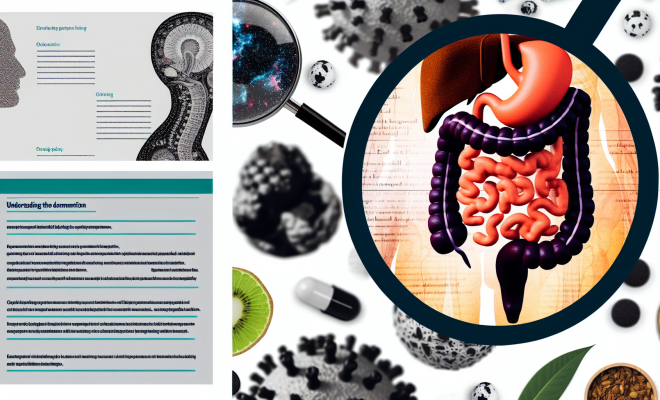
Many individuals experience periods where their digestion feels off, despite maintaining the same diet. This phenomenon can occur even when consuming familiar home-cooked meals and beloved recipes. So, why does digestion feel different when dietary habits remain unchanged? According to health professionals, several underlying factors could be responsible for this unsettling shift.
Understanding the Triggers Behind Digestive Changes
Dr. Shweta S. Dutta, a renowned physician, highlights that digestion can be influenced by various factors beyond just food intake. Here are some of the key triggers that could lead to digestive discomfort:
- Stress: Psychological well-being plays a crucial role in gut health. Stress can significantly impact the digestive process, leading to symptoms such as bloating, gas, and irregular bowel movements.
- Hydration Levels: The human body requires adequate hydration to facilitate optimal digestion. Insufficient water intake can lead to constipation and other digestive issues.
- Changes in Routine: Even subtle alterations in daily routines, such as changes in sleep patterns or physical activity, can disrupt digestive health. For example, a decrease in physical activity can slow down metabolism and digestion.
- Gut Microbiome Fluctuations: The composition of gut bacteria can change due to various factors, including stress, medication usage, or an imbalance in diet, further influencing digestive health.
The Role of Stress in Digestion
Stress is perhaps one of the most significant contributors to digestive disturbances. The gut-brain axis is a complex communication network linking the central nervous system and the gastrointestinal system. When a person is under stress, the body’s fight-or-flight response is activated, which can lead to a halt in digestion. This can result in:
- Increased stomach acid production
- Slower gastric emptying
- Altered gut motility
These physiological responses can manifest as discomfort, making the same meals that once felt satisfying now feel heavy or difficult to digest.
Hydration: The Unsung Hero of Digestive Health
Another crucial aspect to consider is hydration. Water is essential for various bodily functions, including digestion. Dr. Dutta emphasizes that inadequate hydration can lead to:
- Difficulty in breaking down food
- Constipation
- Increased gut discomfort
To support digestive health, it is vital to drink enough water throughout the day. The recommended daily intake is approximately 2.7 liters for women and 3.7 liters for men, including water from beverages and food.
Simple Lifestyle Tweaks to Restore Digestive Function
If you are experiencing digestive discomfort, consider these straightforward adjustments to your lifestyle:
- Manage Stress: Incorporate stress-reducing practices such as yoga, meditation, or deep-breathing exercises into your daily routine.
- Stay Hydrated: Keep a water bottle handy, and aim to drink water regularly throughout the day. Herbal teas can also be a soothing alternative.
- Maintain a Consistent Routine: Try to eat meals at the same time each day and aim for a consistent sleep schedule to promote better digestive health.
- Engage in Physical Activity: Regular exercise can stimulate digestion and help regulate bowel movements. Aim for at least 30 minutes of moderate exercise most days of the week.
Consider the Importance of Gut Health
In addition to lifestyle modifications, it is essential to consider the health of your gut microbiome. A balanced gut microbiome can contribute significantly to proper digestion. Here are some ways to support gut health:
- Consume Fiber-Rich Foods: Foods high in fiber, such as fruits, vegetables, legumes, and whole grains, promote healthy digestion and regular bowel movements.
- Incorporate Probiotics: Foods containing probiotics, like yogurt, kefir, sauerkraut, and kimchi, can enhance gut health by introducing beneficial bacteria.
- Avoid Processed Foods: Limiting processed foods high in sugar and unhealthy fats can help maintain a balanced gut microbiome.
Conclusion
Digestive discomfort can arise from various factors that extend beyond dietary changes. Recognizing the role of stress, hydration, and lifestyle routines is crucial in addressing these issues. By implementing simple yet effective lifestyle modifications, individuals can restore their gut health and reclaim their digestive comfort. If symptoms persist, consulting a healthcare professional is recommended to rule out more serious conditions.