Revolutionizing the Workforce: How AI is Redefining Skills and Roles in IT Services
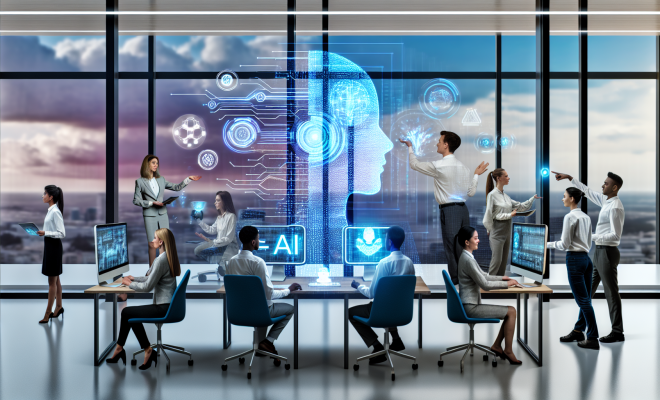
On April 2, 2026, a groundbreaking report was released by NTT DATA in collaboration with INSEAD, shedding light on the transformative effects of artificial intelligence (AI) within the IT services sector. This comprehensive study, which incorporates insights from executive interviews and proprietary data analysis, reveals significant shifts in the industry, particularly in how work is conceptualized and executed.
The Shift to Outcome-Based Models
One of the most striking findings of the report is the transition from traditional time-based service models to outcome-based frameworks. This shift reflects a broader trend in which IT firms are increasingly held accountable for delivering specific results rather than simply logging hours worked. This change not only heightens accountability but also encourages a more strategic approach to project management.
The Implications of Outcome-Based Services
- Focus on Results: IT providers must align their services with client objectives, emphasizing performance and measurable outcomes.
- Enhanced Collaboration: This model fosters improved collaboration between clients and service providers, as both parties work towards common goals.
- Resource Optimization: Firms are incentivized to optimize resources and innovate, leading to more efficient service delivery.
The Changing Nature of Human Roles
As AI technologies become more entrenched in organizational structures, the roles of human workers are evolving. The report indicates a discernible shift towards judgment and oversight functions for IT professionals. Rather than focusing solely on technical execution, employees are now expected to engage in higher-order thinking, leveraging AI tools to enhance decision-making processes.
Key Changes in Workforce Dynamics
- Judgment-Based Tasks: Workers are increasingly tasked with interpreting AI-generated insights and making critical decisions based on those analyses.
- Oversight Responsibilities: Professionals are called upon to monitor AI systems, ensuring ethical practices and accuracy in outputs.
- Continuous Learning: The demand for ongoing education and skills development is paramount as employees adapt to new technologies.
AI as a Core Organizational Component
The report emphasizes that AI is no longer just an auxiliary tool but has become a core component of organizational strategy. Companies that successfully integrate AI into their operations stand to gain a competitive advantage, as they can respond to market changes more swiftly and effectively.
Strategic Scenarios for IT Firms
NTT DATA and INSEAD’s study presents several strategic scenarios that urge IT firms to become AI-native. This concept encompasses more than the mere adoption of AI technology; it calls for a reimagining of business models, processes, and corporate culture to fully harness the potential of AI.
Recommendations for IT Firms
- Invest in AI Training: To facilitate the transition, firms should invest in training programs that enhance workforce capabilities in AI technologies.
- Redefine Business Models: Organizations must innovate their service offerings to align with new demands for outcome-based solutions.
- Foster a Culture of Innovation: Embracing a culture that encourages experimentation with AI can lead to breakthrough solutions and efficiencies.
Conclusion: The Road Ahead
The findings from NTT DATA and INSEAD underscore a pivotal moment for the IT services industry as it navigates the complexities introduced by AI. As firms shift to outcome-based models and redefine human roles, the landscape of work will continue to evolve. Embracing these changes not only positions organizations for success but also prepares the workforce for a future where AI is integral to daily operations. For those interested in a deeper dive into these insights, the full report is available for download, offering extensive analysis and data pertinent to the ongoing transformation in the tech industry.
Understanding and adapting to these findings will be crucial for IT firms striving to remain competitive in an increasingly automated world.