Major Political Shift in Myanmar: Min Aung Hlaing Steps Down as Army Chief
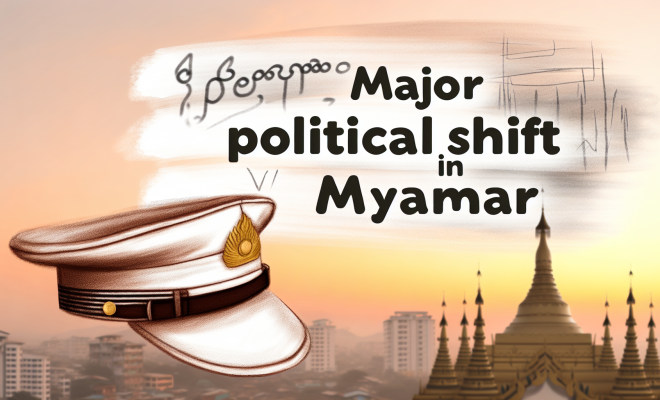
In a significant political shift in Myanmar, Senior General Min Aung Hlaing has officially stepped down from his position as Commander-in-Chief of Defence Services. This move comes as he has been nominated by parliament as a candidate for the vice presidency, alongside two other nominees. This development marks a pivotal moment in the ongoing political transitions taking place in the country, which have been under scrutiny since the military coup in February 2021.
Context of the Political Transition
Myanmar has been in a state of turmoil since the military seized power from the democratically elected government led by Aung San Suu Kyi. The coup sparked widespread protests and violent crackdowns, leading to a humanitarian crisis and international condemnation. The military government, known as the State Administration Council, has faced ongoing resistance from various factions, including ethnic armed groups and pro-democracy activists.
Min Aung Hlaing, who has been at the helm of Myanmar’s military since 2011, played a crucial role in orchestrating the coup. His leadership has been characterized by a hardline approach to dissent, often resulting in severe human rights violations. As the country navigates these turbulent waters, his resignation from the military leadership could signal a shift in the military’s strategy as it seeks to consolidate power and stabilize the nation.
Details of the Nomination
The nomination of Min Aung Hlaing for the vice-presidential role was confirmed by the parliament on March 31, 2026. This announcement comes amidst a backdrop of intense political maneuvering, as the ruling military junta seeks to legitimize its authority in the eyes of both domestic and international audiences. Alongside Min Aung Hlaing, two other candidates have been nominated, although their identities have not been disclosed.
Observers note that this nomination could pave the way for a potential power-sharing arrangement within the military hierarchy. The role of vice president, while traditionally seen as subordinate, could afford Min Aung Hlaing a platform to influence policy and maintain the military’s grip on power.
Implications for Myanmar’s Future
The implications of Min Aung Hlaing’s resignation from the military leadership and subsequent nomination are profound. Firstly, it may indicate a strategic recalibration by the junta as it faces growing international isolation and calls for democratic governance. By putting a familiar face in a civilian role, the military may hope to appease both its internal and external critics.
- International Relations: The international community has consistently condemned the military’s actions since the coup, imposing sanctions and calling for a return to democracy. Min Aung Hlaing’s transition to a civilian position could be viewed as an attempt to soften the junta’s image.
- Domestic Response: The response from the Myanmar populace is likely to be mixed. Many citizens continue to oppose the military’s rule, and such political maneuvers may not be enough to quell dissent.
- Power Dynamics: The internal dynamics within the military may also shift as Min Aung Hlaing takes on new responsibilities. His leadership style has been characterized by a strong command, and it remains to be seen how this will translate into a vice-presidential role.
Reactions from Political Analysts
Political analysts are divided on the potential outcomes of this nomination. Some suggest that it may lead to a more stable political environment, while others are skeptical about the military’s willingness to genuinely engage in democratic reforms. Dr. Aye Min, a political scientist based in Yangon, stated, “This move could be seen as a tactical retreat by the military to regain some legitimacy. However, the fundamental issues that led to the coup remain unresolved. The people of Myanmar have shown their determination to pursue democracy, and the military’s actions will be closely scrutinized.”
Meanwhile, human rights organizations have expressed concerns that such political changes may not lead to improvements in the human rights situation in Myanmar. Human Rights Watch has reiterated calls for the international community to maintain pressure on the junta, emphasizing that any political reshuffling should not distract from the ongoing abuses faced by the people.
Conclusion
As Myanmar continues to grapple with the ramifications of its military coup, the resignation of Senior General Min Aung Hlaing and his nomination for vice president mark a notable chapter in the country’s turbulent political narrative. While this development may signal attempts at political maneuvering by the junta, the underlying issues of governance, human rights, and public dissent remain at the forefront of the national consciousness.
In the coming weeks and months, the international community will be watching closely to see how these political dynamics evolve and whether Myanmar can move towards a more stable and democratic future.