Global Approaches to Safeguarding Children on Social Media: Lessons from International Regulations
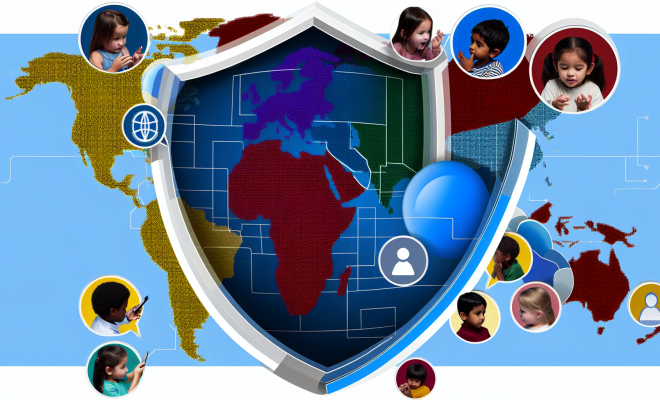
Recent jury verdicts in the United States have underscored the urgent need to address the potential dangers social media poses to young users. These rulings have validated concerns regarding the mental health impacts and other risks associated with social media usage among minors. As the U.S. grapples with these issues, other countries have already taken decisive steps to protect their youth by implementing various regulations aimed at minimizing the risks associated with online platforms.
The U.S. Landscape: A Lack of Federal Regulation
In stark contrast to many nations, the United States lacks comprehensive federal regulations governing social media use among children. This regulatory void has raised alarms as the effects of social media on young users become increasingly apparent. The recent court decisions have highlighted the need for a more proactive approach to safeguarding children from the potential harms of social media, particularly concerning mental health and exposure to inappropriate content.
International Regulations: A Comparative Overview
While the U.S. continues to debate and navigate the complexities of social media governance, several other countries have instituted specific laws and guidelines aimed at protecting minors online. These protective measures vary significantly across different jurisdictions, but they share a common goal: to create a safer digital environment for children.
1. European Union’s Digital Services Act
The European Union has taken significant steps to regulate social media through its Digital Services Act (DSA), which came into force in 2022. This legislation aims to increase accountability for social media platforms and includes provisions specifically designed to protect children. Key features of the DSA include:
- Age Verification: Platforms must implement robust age verification processes to ensure that minors are not exposed to harmful content.
- Content Moderation Requirements: Social media companies are mandated to enhance their content moderation practices, particularly concerning harmful material targeted at children.
- Transparency Obligations: Companies must provide clear information on how algorithms influence the content that users see, enabling parents to understand the potential impacts on their children.
2. United Kingdom’s Online Safety Bill
The U.K. has also made strides in regulating social media through its Online Safety Bill, which emphasizes the importance of safeguarding children online. This bill mandates that social media platforms take proactive measures to protect minors from harmful content. Important aspects of the legislation include:
- Duty of Care: Social media companies are required to take reasonable steps to prevent children from encountering illegal or harmful content.
- Age-Appropriate Design: Platforms must design their services with children in mind, ensuring that children are not inadvertently exposed to adult content.
- Reporting Mechanisms: The bill mandates clear reporting mechanisms for parents and guardians to raise concerns about harmful content.
3. Australia’s eSafety Act
Australia has introduced the eSafety Act, which empowers the eSafety Commissioner to regulate online content and protect children from cyberbullying and harmful material. The Act includes:
- Reporting and Removal of Harmful Content: The eSafety Commissioner can order the removal of harmful content that affects children.
- Education Initiatives: The Act emphasizes the importance of educational programs to teach children about online safety.
- Industry Collaboration: The Australian government works closely with social media companies to promote safer online environments for children.
Challenges in Implementation
While these international regulations represent significant progress, implementing and enforcing these laws poses its own set of challenges. For instance, ensuring compliance among global tech companies can be difficult, as they must navigate varying legal requirements in different jurisdictions. Additionally, the rapid evolution of technology often outpaces regulatory frameworks, making it challenging for lawmakers to keep up with new developments.
The Role of Parents and Guardians
In addition to government regulations, the role of parents and guardians is crucial in safeguarding children on social media. They can utilize various tools and strategies to monitor and guide their children’s online activities. Recommendations include:
- Open Communication: Foster discussions about online experiences and potential dangers.
- Utilizing Parental Controls: Make use of available parental control tools to filter content and monitor usage.
- Educating About Online Safety: Teach children about privacy settings, the importance of not sharing personal information, and recognizing harmful content.
Conclusion: A Path Forward
The recent verdicts in the U.S. serve as a wake-up call, highlighting the urgent need for comprehensive regulations to protect children from the perils of social media. By examining the regulatory frameworks established in other countries, U.S. lawmakers can draw valuable lessons to craft effective policies that prioritize the safety and well-being of young users. As the digital landscape continues to evolve, a collaborative effort between governments, tech companies, parents, and educators will be essential in creating a safer online environment for future generations.