UA Students Sue Over Magazine Suspension, Citing Free Speech in 2026
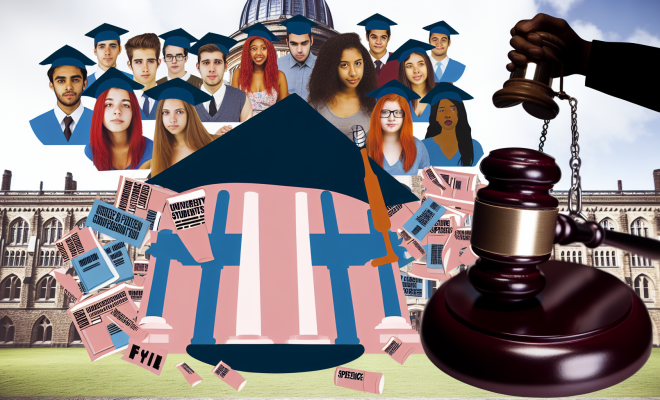
In a significant legal move, students at the University of Alabama have filed a lawsuit against the university, challenging the recent suspension of their campus magazines. This action not only emphasizes the students’ commitment to free speech but also highlights the ongoing struggles surrounding student expression on college campuses across the United States.
Background of the Case
The students, representing various campus publications, argue that the university’s decision to suspend the magazines constitutes a violation of their First Amendment rights. According to the lawsuit, the suspension was enacted without adequate justification and failed to provide the students with an opportunity to appeal the decision, thereby undermining their rights to free expression.
Details of the Lawsuit
The lawsuit was filed in March 2026 and has drawn attention from both legal experts and media organizations concerned about the implications of restricting student journalism. The plaintiffs assert that the university’s actions are part of a broader trend of limiting free speech on college campuses, which has become a contentious issue in recent years.
- **Plaintiffs:** A group of students affiliated with various campus magazines.
- **Defendant:** The University of Alabama administration.
- **Key Argument:** Suspension of the magazines violates First Amendment rights.
- **Legal Precedents:** The lawsuit references prior cases where courts ruled in favor of student expression.
Broader Implications for Free Speech in Higher Education
This case reflects a growing concern about the state of free speech in higher education. Many institutions have implemented policies that, while intended to promote a safe and inclusive environment, have inadvertently stifled student voices. Critics argue that these policies can lead to self-censorship among students and a chilling effect on campus discourse.
According to a recent survey conducted by the Foundation for Individual Rights in Education (FIRE), nearly 60% of students reported feeling uncomfortable expressing their opinions on campus due to fears of reprisal or social ostracism. This statistic underscores the need for universities to carefully balance the promotion of a respectful environment with the protection of free speech rights.
University’s Response
The University of Alabama has yet to issue a detailed public statement regarding the lawsuit. However, university officials have historically defended their policies as necessary for maintaining order and ensuring that all voices are heard while avoiding potential conflicts that may arise from controversial topics.
In previous statements, the administration has emphasized its commitment to fostering an inclusive environment for all students, arguing that certain limitations on expression are justified to protect marginalized groups. However, this line of reasoning has sparked debate among students and faculty who argue that free speech should not be curtailed, regardless of the potential for discomfort.
Student Perspectives
The students involved in the lawsuit have expressed their determination to fight for their rights. One plaintiff stated, “This is about more than just our magazines; it’s about standing up for every student’s right to express themselves freely. We believe that the suspension was unjust and infringed upon our ability to share our voices and opinions.”
Many students have rallied in support of the lawsuit, participating in demonstrations and discussions to raise awareness about the importance of free speech on campus. Their actions illustrate a growing movement among students to reclaim their right to free expression and challenge institutional decisions that they perceive as overreaching.
The Role of Student Media
Campus publications have long served as a vital platform for student voices, offering a space for dialogue, criticism, and community engagement. They play a crucial role in educating students about journalism and the importance of a free press. The suspension of these magazines could have lasting repercussions not only for the students involved but also for the broader campus community.
In light of this lawsuit, it is essential to consider the implications for student media across the nation. As universities navigate the complexities of free speech and inclusivity, the need for clear policies that protect student expression while fostering a respectful environment becomes increasingly apparent.
Conclusion
The lawsuit filed by the University of Alabama students serves as a pivotal moment in the ongoing conversation about free speech in higher education. As the legal battle unfolds, it will be crucial to monitor the responses from both the university and the broader academic community. The outcome of this case may set important precedents for how colleges and universities handle student expression in the future, making it a critical issue for students, educators, and policymakers alike.