The Tech Edvocate

Top Menu

  • Advertisement
  • Apps
  • Home Page
  • Home Page Five (No Sidebar)
  • Home Page Four
  • Home Page Three
  • Home Page Two
  • Home Tech2
  • Icons [No Sidebar]
  • Left Sidbear Page
  • Lynch Educational Consulting
  • My Account
  • My Speaking Page
  • Newsletter Sign Up Confirmation
  • Newsletter Unsubscription
  • Our Brands
  • Page Example
  • Privacy Policy
  • Protected Content
  • Register
  • Request a Product Review
  • Shop
  • Shortcodes Examples
  • Signup
  • Start Here
    • Governance
    • Careers
    • Contact Us
  • Terms and Conditions
  • The Edvocate
  • The Tech Edvocate Product Guide
  • Topics
  • Write For Us
  • Advertise

Main Menu

  • Start Here
    • Our Brands
    • Governance
      • Lynch Educational Consulting, LLC.
      • Dr. Lynch’s Personal Website
      • Careers
    • Write For Us
    • The Tech Edvocate Product Guide
    • Contact Us
    • Books
    • Edupedia
    • Post a Job
    • The Edvocate Podcast
    • Terms and Conditions
    • Privacy Policy
  • Topics
    • Assistive Technology
    • Child Development Tech
    • Early Childhood & K-12 EdTech
    • EdTech Futures
    • EdTech News
    • EdTech Policy & Reform
    • EdTech Startups & Businesses
    • Higher Education EdTech
    • Online Learning & eLearning
    • Parent & Family Tech
    • Personalized Learning
    • Product Reviews
  • Advertise
  • Tech Edvocate Awards
  • The Edvocate
  • Pedagogue
  • School Ratings

logo

The Tech Edvocate

  • Start Here
    • Our Brands
    • Governance
      • Lynch Educational Consulting, LLC.
      • Dr. Lynch’s Personal Website
        • My Speaking Page
      • Careers
    • Write For Us
    • The Tech Edvocate Product Guide
    • Contact Us
    • Books
    • Edupedia
    • Post a Job
    • The Edvocate Podcast
    • Terms and Conditions
    • Privacy Policy
  • Topics
    • Assistive Technology
    • Child Development Tech
    • Early Childhood & K-12 EdTech
    • EdTech Futures
    • EdTech News
    • EdTech Policy & Reform
    • EdTech Startups & Businesses
    • Higher Education EdTech
    • Online Learning & eLearning
    • Parent & Family Tech
    • Personalized Learning
    • Product Reviews
  • Advertise
  • Tech Edvocate Awards
  • The Edvocate
  • Pedagogue
  • School Ratings
  • Unbelievable: Waymo’s Freeway Suspension Is Far Worse Than You Think

  • The Brutal Truth About New EU Cybersecurity Rules You Can’t Afford to Miss

  • Cum compari bonusurile de bun venit ale cazinourilor online din România: valoare, rulaj și termene

  • Unbelievable: South Korea’s AI Cheating Scandal Forces Glasses Inspections

  • 7 Disturbing Truths About the Latest AI Data Breach

  • This Ancient Builder’s $150M AI Bet Could Redefine Construction

  • The Astonishing Reason Canada Might Embrace Chinese Automakers

  • This One Week of Cyber Incidents in October 2026 Proves AI Is Our Biggest Threat

  • Amex Reverses Controversial Clawback: What It Means for Your Rewards

  • Mind-Blowing: NHTSA Just Launched a Waymo Recall Query — Here’s Why It Matters

Tech News
Home›Tech News›AMA Fights 2026 Medicaid Work Rules, Protects Vulnerable Patients

AMA Fights 2026 Medicaid Work Rules, Protects Vulnerable Patients
By Matthew Lynch
March 20, 2026
0
Spread the love

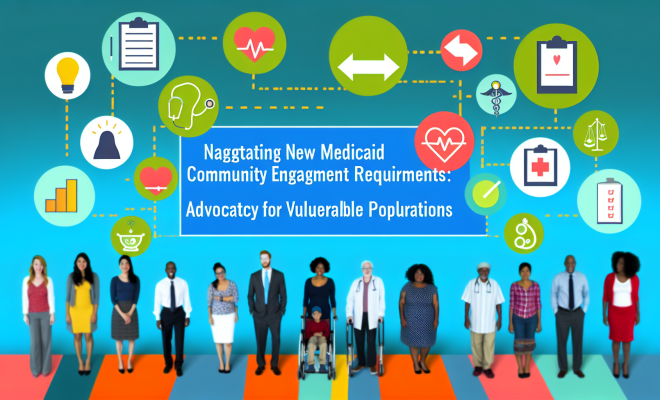
The American Medical Association (AMA) has recently taken a proactive stance in advocating for Medicaid patients in light of new community engagement (work) requirements introduced by the Centers for Medicare & Medicaid Services (CMS). In an effort to minimize disruptions in coverage and address the mental health implications of these changes, the AMA submitted comprehensive comments and an issue brief on March 13, 2026, outlining essential recommendations for facilitating patient navigation through these complexities.

Understanding the Community Engagement Requirements

Community engagement requirements are designed to encourage Medicaid enrollees to participate in work or community service activities as a condition for maintaining their health coverage. While the intention behind these regulations may be to promote employment and community involvement, the potential consequences for vulnerable populations, particularly regarding mental health, are significant.

Potential Risks of Coverage Disruptions

For many individuals relying on Medicaid, the stability of their health coverage is paramount. The AMA emphasizes that sudden disruptions in coverage can lead to a myriad of adverse outcomes, especially for those with pre-existing mental health conditions. The organization is particularly concerned about the following risks:

  • Increased Stress and Anxiety: The pressure to comply with new requirements can exacerbate existing mental health issues, leading to heightened anxiety and stress among enrollees.
  • Loss of Access to Care: Coverage disruptions can result in lost access to critical mental health services, which can have a cascading effect on overall health and well-being.
  • Increased Health Disparities: Vulnerable populations, including those with low income or chronic conditions, may find it particularly challenging to meet engagement requirements, resulting in widening health disparities.

AMA’s Recommendations for CMS

In its issue brief, the AMA outlined specific recommendations aimed at helping Medicaid patients navigate the new requirements while safeguarding their health coverage. Here are some of the key suggestions:

  • Streamlined Communication: The AMA urges CMS to enhance communication strategies to ensure that enrollees are fully aware of the requirements and any deadlines associated with them. Clear, accessible information is crucial for preventing confusion and ensuring compliance.
  • Support Services: The organization recommends implementing support services, such as counseling and case management, to assist individuals in meeting their community engagement obligations. These services can help mitigate the stress associated with compliance.
  • Flexibility in Requirements: The AMA advocates for flexibility in the engagement requirements, particularly for those facing barriers such as disability or caregiving responsibilities. Allowing for alternative forms of engagement can help ensure that individuals are not penalized for circumstances beyond their control.
  • Monitoring and Evaluation: To assess the impact of these requirements on enrollees’ health outcomes, the AMA calls for robust monitoring and evaluation frameworks. This would allow CMS to identify any negative trends and adjust policies accordingly.

Addressing Mental Health Impacts

The potential mental health ramifications of coverage instability cannot be overstated. For many individuals, Medicaid is a lifeline that provides access to necessary services, including therapy and medication management. Disruptions in coverage can lead to:

  • Worsening Mental Health Conditions: Individuals may experience a decline in their mental health status if they are unable to access treatment during coverage gaps.
  • Increased Risk of Hospitalization: Without regular care, individuals may face a higher risk of crisis situations requiring hospitalization, further complicating their health status.
  • Societal Impact: The broader implications of untreated mental health conditions can lead to increased societal costs, including higher rates of homelessness, unemployment, and criminal justice involvement.

The Importance of Advocacy

The AMA’s advocacy efforts are crucial in shaping policies that consider the well-being of Medicaid enrollees. As the organization continues to engage with CMS and other stakeholders, it underscores the importance of prioritizing the health of vulnerable populations amidst regulatory changes.

Conclusion

The introduction of community engagement requirements in Medicaid presents both opportunities and challenges. While the intention may be to encourage participation in work and community activities, the potential for coverage disruptions poses a significant threat to vulnerable populations, particularly in terms of mental health. The AMA’s recommendations aim to provide a framework for navigating these changes effectively, ensuring that enrollees can maintain their coverage without compromising their health. Through continued advocacy and strategic support, there is hope for a balanced approach that meets the needs of all Medicaid beneficiaries.


Previous Article

Physician Licensing: Reforming Mental Health Questions in ...

Next Article

Parents’ Crucial Role in Education: 2026 Insights

Matthew Lynch

Related articles More from author

  • Tech News

    How to disable WordPress XMLRPC

    June 25, 2026
    By Matthew Lynch
  • Tech News

    Top 9 Fixes for Google Drive No Connection Error on Android and iPhone

    February 20, 2024
    By Matthew Lynch
  • Tech News

    NCS & NVIDIA Partner for Sovereign Agentic AI in 2025

    March 18, 2026
    By Matthew Lynch
  • Tech News

    How to use snippets in Visual Studio Code?

    August 14, 2026
    By Matthew Lynch
  • Tech News

    Master Your Game: 7 Ways to Reduce Input Lag Now

    June 20, 2026
    By Matthew Lynch
  • Tech News

    Articulate 360 content library features

    August 23, 2026
    By Matthew Lynch

Search

Login & Registration

  • Log in
  • Entries feed
  • Comments feed
  • WordPress.org

Newsletter

Signup for The Tech Edvocate Newsletter and have the latest in EdTech news and opinion delivered to your email address!

About Us

Since technology is not going anywhere and does more good than harm, adapting is the best course of action. That is where The Tech Edvocate comes in. We plan to cover the PreK-12 and Higher Education EdTech sectors and provide our readers with the latest news and opinion on the subject. From time to time, I will invite other voices to weigh in on important issues in EdTech. We hope to provide a well-rounded, multi-faceted look at the past, present, the future of EdTech in the US and internationally.

We started this journey back in June 2016, and we plan to continue it for many more years to come. I hope that you will join us in this discussion of the past, present and future of EdTech and lend your own insight to the issues that are discussed.

Newsletter

Signup for The Tech Edvocate Newsletter and have the latest in EdTech news and opinion delivered to your email address!

Contact Us

The Tech Edvocate
910 Goddin Street
Richmond, VA 23231
(601) 630-5238
[email protected]

Copyright © 2026 Matthew Lynch. All rights reserved.