Nvidia & Uber Partner to Power Next-Gen Robotaxi Fleet
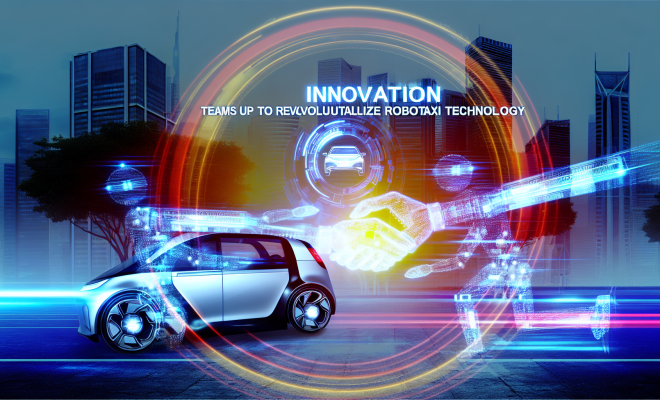
In a significant advancement for the autonomous vehicle sector, Nvidia has announced a strategic partnership with Uber to provide the computing power for its upcoming robotaxi fleet. This collaboration represents a critical step not only for Uber’s ambitions in the self-driving market but also for Nvidia as it continues to solidify its position as a leader in artificial intelligence and machine learning technologies.
Nvidia’s Role in Autonomous Vehicles
Nvidia is widely recognized for its cutting-edge graphics processing units (GPUs) and AI computing platforms that have revolutionized various industries, including gaming, healthcare, and automotive. With its latest advancements, the company has increasingly focused on the autonomous vehicle market. By providing the necessary computational power, Nvidia aims to enhance the capabilities of self-driving systems, which rely heavily on real-time data processing and machine learning algorithms.
The Importance of Computing Power
Self-driving technology depends on sophisticated algorithms and vast amounts of data to operate safely and efficiently. Nvidia’s advanced chips are designed to handle these requirements by processing data from sensors, cameras, and radar systems in real-time. This allows autonomous vehicles to detect obstacles, recognize traffic signals, and make split-second decisions on the road.
- Real-Time Data Processing: Nvidia’s GPUs can analyze live data streams, crucial for safe navigation.
- AI Integration: The partnership leverages Nvidia’s AI capabilities to improve decision-making in complex driving scenarios.
- Scalability: Nvidia’s technology is designed to scale, accommodating Uber’s vision for a large-scale robotaxi fleet.
Uber’s Push for Robotaxis
This collaboration aligns with Uber’s broader strategy to expand its presence in the autonomous vehicle market. With the ongoing shift in consumer preferences towards ride-sharing and on-demand transportation, Uber is looking to capitalize on the growing demand for robotaxis. The partnership with Nvidia is poised to accelerate the development of Uber’s self-driving fleet, which has faced several challenges over the years.
Uber’s commitment to robotaxis comes at a time when many urban centers are increasingly adopting policies that favor sustainable transportation solutions. By integrating self-driving technology, Uber aims to reduce operational costs and enhance the efficiency of its services.
Industry Trends and Challenges
The move towards robotaxis is not without its challenges. The autonomous vehicle industry has been marked by high-profile setbacks, regulatory hurdles, and public skepticism regarding safety. However, advancements in technology and strategic partnerships like that of Nvidia and Uber are critical to overcoming these obstacles.
As more companies invest in autonomous vehicle technology, the market is witnessing significant shifts. Major automakers and tech firms are increasingly collaborating to develop the necessary infrastructure and technology to support self-driving vehicles. Nvidia’s partnership with Uber exemplifies this trend, as both companies aim to establish a competitive edge in a rapidly evolving industry.
Impact on the Luxury Automotive Sector
While the alliance between Nvidia and Uber is a landmark development in the robotaxi sphere, it also highlights broader trends within the automotive industry. For instance, recent news has surfaced regarding Bentley cutting jobs to manage costs amid pressures in the luxury vehicle segment. This indicates a shift in priorities as automakers adapt to changing market dynamics.
The luxury automotive sector is facing challenges not only from economic fluctuations but also from increasing consumer demand for innovative technologies. As electric and autonomous vehicles become more mainstream, luxury brands must pivot to integrate these advancements into their offerings.
Balancing Innovation with Cost Management
As companies like Bentley streamline operations to remain competitive, the question of how to balance innovation with cost management becomes paramount. The integration of advanced technologies such as those developed by Nvidia may require significant investment, making it essential for automakers to find efficiencies elsewhere.
- Job Cuts: Bentley’s job reductions underscore the challenges faced by luxury automakers.
- Innovation Pressure: The need to keep pace with technological advancements can strain resources.
- Market Adaptation: Companies must adapt to consumer preferences for sustainability and technology.
Looking Ahead
The collaboration between Nvidia and Uber marks a pivotal moment in the evolution of autonomous transportation. As both companies work towards the deployment of robotaxis, the industry will be watching closely to see how this partnership influences the future of mobility.
With advancements in AI and machine learning, the potential for safer, more efficient transportation is immense. However, the path to widespread adoption of robotaxis will require overcoming regulatory challenges, addressing public concerns about safety, and ensuring that the technology is accessible to all.
As the automotive landscape continues to evolve, partnerships like this one will play a crucial role in shaping the future of transportation, paving the way for a new era of mobility that is both innovative and sustainable.