Navigating Parental Fears: The Reality of Teen Driving Risks
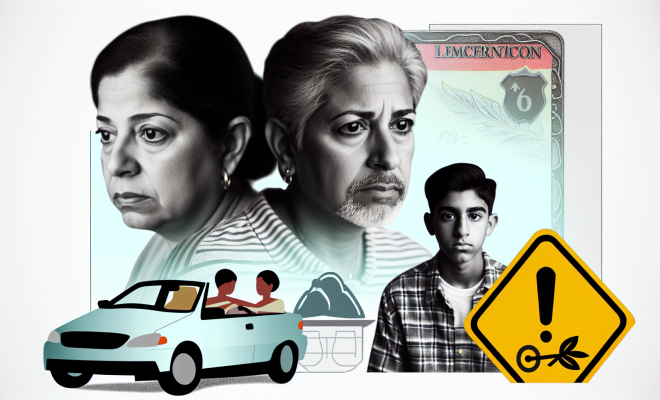
As the keys to independence are handed over to teenagers and young adults, parents face a new set of worries—chief among them, the fear of a car crash. Recent research reveals that one in three parents express concerns about their teen or young adult potentially causing a vehicle accident. This anxiety is particularly pronounced among parents of individuals aged 21 to 25, who report higher instances of distracted or impaired driving compared to parents of younger teens aged 16 to 20.
Understanding the Concerns
The study highlights a critical issue: despite the excitement of newfound freedom for young drivers, the potential dangers on the road remain a significant source of anxiety for parents. This fear is rooted in various factors, including the prevalence of distracted driving among young adults.
The Distracted Driving Dilemma
Distracted driving has become a pressing concern in recent years, with smartphones and other devices constantly vying for attention. According to the National Highway Traffic Safety Administration (NHTSA), approximately 9% of fatal crashes involved a distracted driver in 2020. For parents, knowing that their children could be among those distracted while behind the wheel is understandably alarming.
Impaired Driving Risks
In addition to distraction, the issue of impaired driving weighs heavily on the minds of parents. Reports indicate that young adults are at a higher risk of driving under the influence of alcohol or drugs. This behavior not only endangers the driver but also poses risks to passengers and other road users. Parents of 21- to 25-year-olds are particularly vocal about their concerns regarding these risky behaviors.
Confidence vs. Concern
Interestingly, despite these fears, many parents also express a level of confidence in their children’s driving abilities. The study suggests that while parental anxiety about safety persists, it does not entirely overshadow their belief in their children’s competency behind the wheel. This duality presents a complex emotional landscape for parents.
Encouraging Safe Driving Habits
In light of these concerns, it’s crucial for parents to take proactive measures to instill safe driving habits in their teens and young adults. Here are some essential strategies:
- Open Communication: Initiating conversations about the dangers of distracted and impaired driving can help raise awareness and encourage responsible behavior.
- Setting Expectations: Clearly outline your expectations regarding driving behavior, including the prohibition of texting or using mobile devices while on the road.
- Lead by Example: Model safe driving practices yourself. Teens are more likely to follow suit if they see their parents adhering to road safety rules.
- Driver Education Programs: Encourage participation in comprehensive driver education courses that address the responsibilities of being a safe driver.
- Regular Check-Ins: Maintain an ongoing dialogue about driving experiences and challenges. This can help identify any risky behaviors early on.
The Role of Technology
Advancements in technology may also provide a safety net for anxious parents. Many vehicles are now equipped with features designed to promote safer driving. These include:
- Lane Departure Alerts: Notifications that alert drivers when they unintentionally drift out of their lane.
- Adaptive Cruise Control: Technology that helps maintain a safe distance from the vehicle ahead, reducing the likelihood of rear-end collisions.
- Emergency Braking: Automatic systems that can intervene if the driver fails to react in time to an impending collision.
While these technological advancements can provide peace of mind, they should not replace the fundamental need for parents to discuss safe driving practices with their children.
Conclusion: Balancing Fear and Trust
The fear that one in three parents harbor regarding their teen or young adult’s driving behavior is both valid and widespread. With the rise of distracted and impaired driving incidents, it is natural for parents to be anxious about their child’s safety on the road. However, fostering a balance between concern and confidence is essential. By engaging in open discussions about driving safety and utilizing available technology, parents can help mitigate risks while empowering their young drivers.
In the end, the journey toward safe driving is not just about protecting young drivers; it’s about fostering a culture of responsibility that extends beyond the family unit, ultimately leading to safer roads for everyone.