Data Centers in Oregon: A Growing Threat to Climate Goals
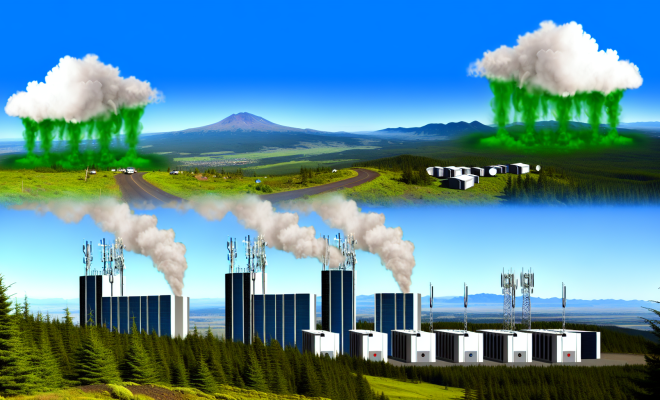
As the digital age continues to expand, so does the infrastructure supporting it. In Oregon, a new report has raised alarms regarding the environmental impact of data centers, which are increasingly jeopardizing the state’s ambitious climate goals. Released on March 16, 2026, the report from a prominent environmental group highlights the significant energy and water consumption associated with these facilities, urging policymakers to take swift action.
The Growing Demand for Data Centers
Data centers are the backbone of the digital economy, housing servers that store and process vast amounts of data. As more businesses shift to cloud computing and e-commerce, the demand for data centers has surged. However, this expansion comes at a cost. According to the report, Oregon’s data centers are consuming an alarming amount of resources, threatening the state’s climate objectives.
Energy Consumption Concerns
One of the primary concerns outlined in the report is the high energy consumption associated with data centers. These facilities require vast amounts of electricity to operate their servers and cooling systems, contributing to increased greenhouse gas emissions. In fact, it is estimated that data centers in the state consume approximately 2% of Oregon’s total electricity, a figure that is expected to rise as more facilities are built.
This level of energy use not only undermines Oregon’s climate targets but also raises questions about the sustainability of such infrastructure. The state has set ambitious goals to reduce its carbon footprint, aiming for a 50% reduction in greenhouse gas emissions by 2035. However, the increasing energy demands of data centers could make achieving these targets significantly more difficult.
Water Usage and Its Implications
In addition to energy consumption, the report highlights the substantial water usage of data centers, particularly in cooling their equipment. The cooling systems require considerable water resources, which can strain local supplies, especially in areas facing drought conditions. With climate change exacerbating water scarcity issues, the increasing demand from data centers raises serious environmental concerns.
The report calls for a detailed analysis of water usage by these facilities, emphasizing the need for greater transparency and regulatory oversight. As Oregon grapples with water conservation efforts, the growing appetite of data centers for this crucial resource could hinder progress.
Call for Regulatory Changes
In light of these findings, the environmental group is advocating for increased regulation of data centers in Oregon. The report urges state officials to implement stricter guidelines regarding energy and water consumption and to hold data centers accountable for their environmental impact. This includes establishing limits on resource usage and requiring comprehensive reporting from these facilities.
Additionally, the report recommends that policymakers explore initiatives to promote renewable energy sources for data centers. By encouraging the use of solar, wind, and other sustainable energy options, Oregon could mitigate the environmental impact of its growing tech infrastructure.
Transparency and Accountability
The need for greater transparency is a recurring theme in the report. Stakeholders, including local communities and environmental groups, should be informed about the operations of data centers, including their energy and water usage. This information can empower community members to advocate for sustainable practices and hold companies accountable for their environmental footprint.
Moreover, transparency can foster collaboration between data center operators, local governments, and environmental organizations. By working together, these groups can develop solutions that balance technological growth with environmental stewardship.
The Future of Data Centers in Oregon
The report serves as a wake-up call for Oregon as it navigates the complexities of balancing technological advancement with environmental responsibility. The digital economy is unlikely to slow down, and with it comes the necessity for data centers. However, without proactive measures, these facilities could undermine years of progress toward climate goals.
As Oregon stands at a crossroads, the choices made today will shape the future of its environment and economic landscape. By implementing stricter regulations, promoting transparency, and investing in renewable energy, the state can pave the way for a sustainable future that does not compromise its climate objectives.
Conclusion
In summary, the findings of the recent report highlight the pressing need for action regarding data centers in Oregon. As these facilities continue to proliferate, their impact on energy and water resources must be managed responsibly. The call for regulation and transparency is not just an environmental necessity but a critical step towards ensuring that Oregon meets its climate goals. The future of the state’s environment depends on the choices made today regarding its digital infrastructure.