The Tech Edvocate

Top Menu

  • Advertisement
  • Apps
  • Home Page
  • Home Page Five (No Sidebar)
  • Home Page Four
  • Home Page Three
  • Home Page Two
  • Home Tech2
  • Icons [No Sidebar]
  • Left Sidbear Page
  • Lynch Educational Consulting
  • My Account
  • My Speaking Page
  • Newsletter Sign Up Confirmation
  • Newsletter Unsubscription
  • Our Brands
  • Page Example
  • Privacy Policy
  • Protected Content
  • Register
  • Request a Product Review
  • Shop
  • Shortcodes Examples
  • Signup
  • Start Here
    • Governance
    • Careers
    • Contact Us
  • Terms and Conditions
  • The Edvocate
  • The Tech Edvocate Product Guide
  • Topics
  • Write For Us
  • Advertise

Main Menu

  • Start Here
    • Our Brands
    • Governance
      • Lynch Educational Consulting, LLC.
      • Dr. Lynch’s Personal Website
      • Careers
    • Write For Us
    • The Tech Edvocate Product Guide
    • Contact Us
    • Books
    • Edupedia
    • Post a Job
    • The Edvocate Podcast
    • Terms and Conditions
    • Privacy Policy
  • Topics
    • Assistive Technology
    • Child Development Tech
    • Early Childhood & K-12 EdTech
    • EdTech Futures
    • EdTech News
    • EdTech Policy & Reform
    • EdTech Startups & Businesses
    • Higher Education EdTech
    • Online Learning & eLearning
    • Parent & Family Tech
    • Personalized Learning
    • Product Reviews
  • Advertise
  • Tech Edvocate Awards
  • The Edvocate
  • Pedagogue
  • School Ratings

logo

The Tech Edvocate

  • Start Here
    • Our Brands
    • Governance
      • Lynch Educational Consulting, LLC.
      • Dr. Lynch’s Personal Website
        • My Speaking Page
      • Careers
    • Write For Us
    • The Tech Edvocate Product Guide
    • Contact Us
    • Books
    • Edupedia
    • Post a Job
    • The Edvocate Podcast
    • Terms and Conditions
    • Privacy Policy
  • Topics
    • Assistive Technology
    • Child Development Tech
    • Early Childhood & K-12 EdTech
    • EdTech Futures
    • EdTech News
    • EdTech Policy & Reform
    • EdTech Startups & Businesses
    • Higher Education EdTech
    • Online Learning & eLearning
    • Parent & Family Tech
    • Personalized Learning
    • Product Reviews
  • Advertise
  • Tech Edvocate Awards
  • The Edvocate
  • Pedagogue
  • School Ratings
  • The AI Job Apocalypse: Are Companies Hiding The Real Reason For Mass Layoffs?

  • One Crucial Factor Could Decimate Your US Auto Insurance Rates in 2026

  • Unbelievable: Meta Hit With $25 Billion Fine — Is Your Health Data Next?

  • 10 Crucial AI Literacy Courses Every Parent Needs Now

  • The Unseen Force Quietly Reshaping Rural Life: 7 Satellite Internet Providers Battling for Supremacy

  • Best Buy’s Gamers Hub: The Unbelievable Truth About Its “Rewards” And Discounts

  • 8 Crucial Reasons Why MAI-DxO Just Obliterated Doctors in a Head-to-Head Diagnosis Battle

  • The Brutal Truth About Student Loan Refinancing for New Grads in 2024

  • The Brutal Truth: AI Just Blew Up PHP Security – Here’s How to Survive ‘Black October’

  • Sodium-ion storage maker Peak Energy raises $108 million in GM-led round – PV Magazine

Tech News
Home›Tech News›Automakers Face Billions in Losses as EV Programs Cancelled

Automakers Face Billions in Losses as EV Programs Cancelled
By Matthew Lynch
March 15, 2026
0
Spread the love

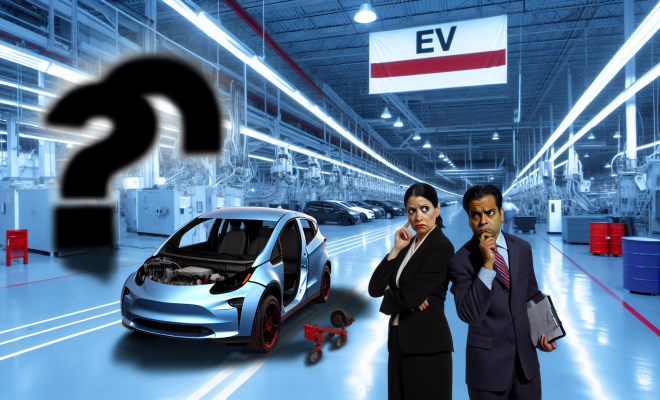
The electric vehicle (EV) landscape is undergoing a significant transformation, with major automakers like Honda making the tough decision to cancel several EV programs, leading to substantial financial losses. As the auto industry braces for a restructuring bill that could reach $70 billion, the challenges of EV adoption continue to loom large, creating a complex environment for both manufacturers and suppliers.

Automakers Reassess EV Strategies

In a notable shift, Honda has recently scrapped its ambitious 0-series and the Acura RSX EV programs. This decision is part of a broader reevaluation of EV strategies among several manufacturers, resulting in an estimated $15.8 billion in losses for the automotive giant. This move reflects the ongoing struggle to find a sustainable path in a rapidly evolving market that is not yet fully equipped to support large-scale EV adoption.

Financial Implications of Program Cancellations

The cancellation of these programs highlights the financial pressures automakers are facing as they navigate the costs associated with transitioning to electric vehicles. With total restructuring costs across the auto industry approaching $70 billion, many companies are finding it increasingly challenging to balance R&D investments with the realities of consumer demand and market conditions.

Ford, another key player in the automotive sector, is also feeling the heat of these abrupt program cancellations. The company has been shifting its focus towards in-house production and technology development, indicating a strategic pivot that underscores the need for adaptability in a volatile market.

Challenges Faced by the EV Market

Despite the anticipated long-term growth in EV demand, several persistent challenges continue to plague the industry:

  • Pricing Pressures: The cost of EVs remains a significant barrier for many consumers. With battery technologies still evolving, manufacturers are struggling to keep prices competitive while maintaining profitability.
  • Charging Infrastructure: A robust and accessible charging infrastructure is crucial for easing consumer concerns about range anxiety. However, progress in expanding charging networks has been slow, deterring potential buyers.
  • Market Uncertainty: Frequent program cancellations and shifts in manufacturing strategies create a sense of uncertainty among suppliers and stakeholders, making it difficult for them to plan long-term investments.

Supplier Concerns and Industry Dynamics

As automakers like Honda and Ford adjust their EV strategies, suppliers are left grappling with the fallout. The abrupt cancellations of programs can lead to overcapacity and financial strain for parts manufacturers, who often rely on steady orders to maintain their operations.

The uncertainty in the market can lead to disruptions in the supply chain, making it difficult for suppliers to forecast demand. This situation is compounded by the fact that many suppliers have also invested heavily in technologies tailored for EV components, raising concerns about their return on investment.

Looking Towards the Future

While the current landscape may seem daunting, industry analysts remain optimistic about the long-term prospects for electric vehicles. The demand for greener transportation solutions is expected to rise, driven by both consumer preferences and regulatory pressures aimed at reducing carbon emissions.

To navigate the challenges ahead, automakers will need to adopt a more flexible approach to their EV strategies. This may involve:

  • Enhanced Collaboration: Working closely with suppliers to develop innovative solutions and streamline production processes.
  • Investing in Infrastructure: Partnering with governments and private entities to expand charging networks, making EVs more accessible to consumers.
  • Leveraging Technology: Investing in research and development to improve battery technology and reduce costs, thus enhancing the overall value proposition of electric vehicles.

Conclusion

The automotive industry stands at a crossroads as it grapples with the complexities of transitioning to electric vehicles. With major players like Honda and Ford recalibrating their strategies, the path forward remains uncertain. However, by addressing the challenges head-on and fostering collaboration within the supply chain, there is potential for a more sustainable and profitable future for electric vehicles. As the restructuring bill approaches $70 billion, all eyes will be on how these changes will shape the future of the automotive landscape.


Previous Article

Fed Holds Steady: Interest Rates Unchanged Amid ...

Next Article

AI Business Blunders: Insurers Offer New Coverage ...

Matthew Lynch

Related articles More from author

  • Tech News

    How to boost LinkedIn post visibility

    June 25, 2026
    By Matthew Lynch
  • Tech News

    Russia-Ukraine War: 230 Million Tonnes of CO2 Emissions

    March 14, 2026
    By Matthew Lynch
  • Tech News

    Amazon CFO blames the Olympics and Trump assassination for slowing sales: ‘Customers only have so much attention’

    August 3, 2024
    By Matthew Lynch
  • Tech News

    How to create invoices in Kashoo

    August 27, 2026
    By Matthew Lynch
  • Tech News

    Mastering Survey Analysis: Interpret Your Data Effectively

    June 29, 2026
    By Matthew Lynch
  • Tech News

    Executive Function Coaching for High Schoolers: Does It Work?

    July 4, 2026
    By Matthew Lynch

Search

Login & Registration

  • Log in
  • Entries feed
  • Comments feed
  • WordPress.org

Newsletter

Signup for The Tech Edvocate Newsletter and have the latest in EdTech news and opinion delivered to your email address!

About Us

Since technology is not going anywhere and does more good than harm, adapting is the best course of action. That is where The Tech Edvocate comes in. We plan to cover the PreK-12 and Higher Education EdTech sectors and provide our readers with the latest news and opinion on the subject. From time to time, I will invite other voices to weigh in on important issues in EdTech. We hope to provide a well-rounded, multi-faceted look at the past, present, the future of EdTech in the US and internationally.

We started this journey back in June 2016, and we plan to continue it for many more years to come. I hope that you will join us in this discussion of the past, present and future of EdTech and lend your own insight to the issues that are discussed.

Newsletter

Signup for The Tech Edvocate Newsletter and have the latest in EdTech news and opinion delivered to your email address!

Contact Us

The Tech Edvocate
910 Goddin Street
Richmond, VA 23231
(601) 630-5238
[email protected]

Copyright © 2026 Matthew Lynch. All rights reserved.