Chester Heights Reaches Tax Settlement with Wawa: Implications for Local Real Estate
In a significant move for both local governance and commercial real estate, Chester Heights Borough has officially approved a tax reassessment settlement with Wawa, Inc. This settlement effectively halves the real estate tax rate for the popular convenience store chain, setting the stage for stable property valuations from 2021 through 2025. The decision is part of broader negotiations that have unfolded in the wake of a contentious market value proposal by Wawa.
The Settlement Details
Wawa, which has been a staple in the community, had initially proposed a low market value for its properties, prompting Chester Heights officials to push back with their own assessment figures. The borough’s stance was largely influenced by a problematic reassessment conducted in Delaware County in 2020, which saw the common level ratio plummet from 100% in 2021 to a staggering 57.4%. This discrepancy in valuations has contributed significantly to the ongoing negotiations.
As part of the agreement, Wawa has opted not to pursue an appeal for the 2027 tax year, a decision that is expected to stabilize assessments for both 2026 and 2027. This move not only provides clarity for Wawa but also allows the borough to plan its budget with more certainty, ensuring that local services funded by these taxes remain intact.
Impact on Chester Heights and Local Economy
The implications of this tax settlement extend beyond Wawa. By reducing the tax burden on one of its key commercial players, Chester Heights aims to foster a more conducive environment for business growth. Local officials believe that a predictable tax structure may encourage further investment in the area, potentially attracting new businesses looking to establish a foothold in the borough.
Moreover, the reassessment aligns with Chester Heights’ broader strategy to enhance its commercial landscape. With Wawa’s tax rate stabilized, the borough can leverage this agreement as a model for future negotiations with other businesses, promoting a sense of fairness and consistency in how property values are assessed and taxed.
Other Real Estate Developments in the Area
The Wawa tax settlement is not the only noteworthy development in the local real estate market. Several projects are currently underway that promise to reshape the fabric of Chester Heights and its neighboring communities.
- Doylestown’s Hart Tract Development: Plans are in motion for the Hart tract in Doylestown, where developers are proposing 36 luxury townhomes. This project aims to address the growing demand for upscale housing options in the area, appealing to both young professionals and families seeking a high-quality living environment.
- Kennett Square Office Purchase: The 9th Street Development has made headlines with its $6.6 million acquisition of the Kennett Square offices. This purchase is part of a larger $34 million redevelopment plan that includes a substantial 100,000 square foot conversion, which is set to modernize the existing structures and enhance the overall appeal of the area.
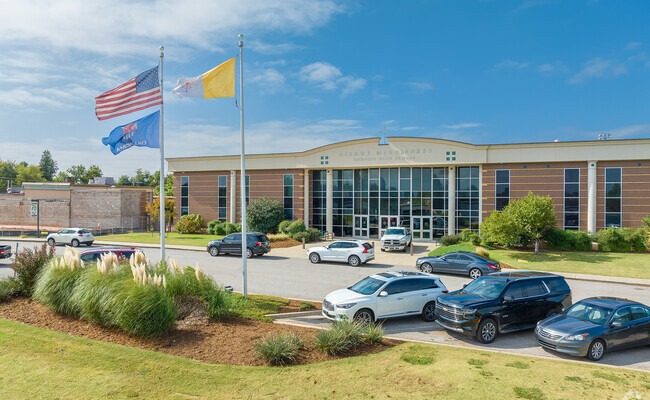
- Valley Forge Military Academy Land: In a noteworthy decision, Radnor Township has opted to drop its plans for eminent domain concerning the Valley Forge Military Academy land. This move reflects a shift in approach to land management, prioritizing community input and collaboration over contentious legal proceedings.
Looking Ahead
The approved tax settlement between Chester Heights and Wawa is a pivotal moment for the local real estate landscape, setting a precedent for future negotiations and assessments. As the borough continues to evolve, the focus remains on balancing the interests of commercial entities with the needs of residents.
With ongoing projects like the Doylestown luxury townhomes and the redevelopment of Kennett Square offices, Chester Heights is strategically positioning itself as a desirable location for both businesses and residents alike. The outcomes of these developments, combined with the positive implications of the Wawa settlement, are likely to shape the future economic landscape of the borough in the coming years.
As the real estate market continues to adapt to these changes, stakeholders will be watching closely to see how these developments impact local property values, community sentiment, and overall economic vitality.