Best of the Best Metabolic Health Tracking Devices 2026
Introduction: The Rise of Metabolic Health Tracking
In recent years, the focus on metabolic health has gained significant traction, as more individuals recognize the importance of understanding their body’s metabolic processes. Metabolic health is not only vital for weight management but also plays a crucial role in preventing chronic diseases such as diabetes, heart disease, and obesity. With advancements in technology, various devices have emerged that provide insights into metabolic health, making it easier for users to track their progress and make informed decisions about their well-being. As we step into 2026, let’s explore the best metabolic health tracking devices available, analyzing their features, benefits, and how they can help you achieve optimal health.
Understanding Metabolic Health Tracking Devices: What to Look For
Before diving into the top devices of 2026, it’s essential to understand what features to look for in a metabolic health tracking device. The ideal device should have:
– Comprehensive Metrics: The ability to track various metabolic health indicators such as glucose levels, insulin sensitivity, heart rate variability, and more.
– User-Friendly Interface: An intuitive app or display that makes it easy to interpret data and track progress.
– Integration Capabilities: Compatibility with other health apps and devices to create a holistic view of your health.
– Real-Time Data: The capability to provide immediate feedback, allowing users to make timely adjustments to their lifestyle or diet.
– Personalization: Features that adapt to the user’s unique metabolic profile and provide tailored recommendations.
Top Metabolic Health Tracking Devices of 2026
- Continuous Glucose Monitors (CGMs)
Continuous Glucose Monitors are revolutionizing how individuals manage their blood sugar levels. These devices offer real-time glucose readings, allowing users to monitor their levels throughout the day.
Key Features:
– Real-Time Glucose Monitoring: Provides continuous data on glucose levels, helping users understand how food, exercise, and stress affect their blood sugar.
– Alerts and Notifications: Sends alerts when glucose levels are too high or too low, preventing potential health issues.
– Data Integration: Syncs with smartphones and health apps for easy tracking and analysis of trends over time.
Popular Models:
– Dexcom G7: Known for its accuracy and ease of use, the Dexcom G7 offers an intuitive app that displays glucose trends and provides personalized insights.
– Freestyle Libre 3: This device is praised for its slim design and painless application. It allows users to scan their sensor with a smartphone for immediate glucose readings.
Pros:
– Enables proactive management of blood sugar levels
– Helps identify food sensitivities and lifestyle impacts on glucose
Cons:
– Requires users to be comfortable with wearing the device continuously
– Some models may have subscription costs for access to data
2. Smart Wearable Devices
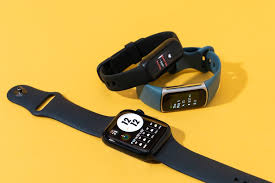
Smart wearables, such as fitness trackers and smartwatches, have become increasingly sophisticated, providing a wealth of information about metabolic health.
Key Features:
– Heart Rate Variability Tracking: Offers insights into stress levels and overall cardiovascular health.
– Activity and Sleep Tracking: Monitors physical activity and sleep patterns, both of which are crucial for metabolic health.
– Nutrition Tracking: Some devices allow users to log their food intake, providing a comprehensive overview of their dietary habits.
Popular Models:
– Apple Watch Series 8: This smartwatch includes advanced health metrics, including blood oxygen levels, ECG capabilities, and comprehensive fitness tracking features.
– Garmin Venu 2: Known for its robust fitness tracking features, the Garmin Venu 2 offers insights into stress, sleep, and recovery, making it ideal for fitness enthusiasts.
Pros:
– Multifunctional devices that serve various health tracking needs
– Encourages an active lifestyle through gamification and notifications
Cons:
– Battery life can vary significantly between models
– May require a learning curve to utilize all features effectively
3. Metabolic Rate Testing Devices
These innovative devices measure your resting metabolic rate (RMR) to help personalize dietary recommendations.
Key Features:
– Breath Analysis: Uses a breath test to assess metabolic rate and caloric needs accurately.
– Personalized Recommendations: Offers tailored dietary plans based on individual metabolic rates.
– Portable Design: Many models are compact and easy to use at home or on the go.
Popular Models:
– Lumen Metabolic Tracker: This device measures CO2 levels in your breath to determine if your body is burning carbs or fats, providing actionable insights into your metabolism.
– BodyGem: A professional-grade device that provides RMR measurements, often used in clinical settings, but now available for consumer use.
Pros:
– Offers precise measurements for personalized nutrition plans
– Helps users understand their metabolic processes better
Cons:
– Some devices may require professional guidance for optimal use
– Can be costly compared to other tracking devices
4. Smart Scales
Smart scales have evolved to provide more than just weight measurements. They can offer insights into body composition, including fat percentage, muscle mass, and hydration levels.
Key Features:
– Body Composition Analysis: Measures various metrics to give a comprehensive view of one’s physical health.
– Syncing Capabilities: Connects with health apps to track changes over time easily.
– Multi-User Functionality: Allows multiple users to track their metrics on the same device.
Popular Models:
– Withings Body+: This scale measures weight, body fat, muscle mass, and more, providing a holistic view of health metrics over time.
– Fitbit Aria 2: Integrates seamlessly with Fitbit’s ecosystem, offering body composition insights alongside activity and sleep data.
Pros:
– Provides a comprehensive overview of body composition
– Encourages accountability and tracking for multiple users
Cons:
– Accuracy can vary, especially for body fat measurements
– Requires regular calibration for best results
Conclusion: Choosing the Right Metabolic Health Tracking Device
As we navigate the landscape of metabolic health in 2026, the options for tracking devices are more advanced and user-friendly than ever. From continuous glucose monitors to smart wearables, each device offers unique features that can cater to individual health goals.
When choosing the right device, consider your specific health needs, lifestyle preferences, and the metrics that are most important to you. Investing in a quality metabolic health tracking device can empower you to take control of your health, make informed decisions, and ultimately enhance your well-being. With the right tools at your disposal, achieving optimal metabolic health is not just a goal; it is an attainable reality.