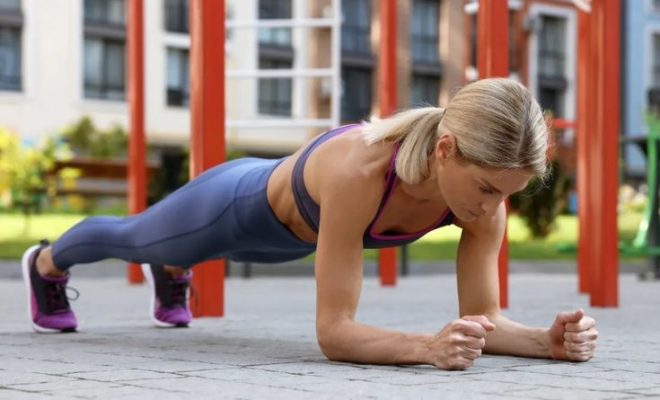
CrossFit Equipment and Essential Gear
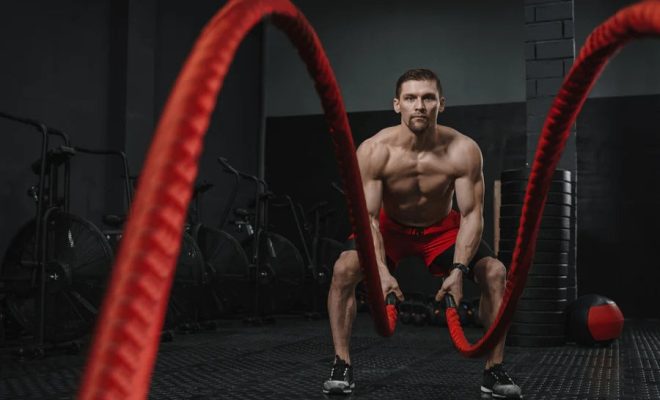
CrossFit demands specialized equipment that supports its diverse and intense workout methodology. Understanding the essential gear can help newcomers prepare and veterans optimize their training experience.
Weightlifting equipment forms the backbone of CrossFit training. Olympic barbells, typically 20kg for men and 15kg for women, are crucial for movements like clean and jerks, snatches, and deadlifts. Bumper plates, made from dense rubber, allow safe dropping of weights during dynamic lifts, a common practice in CrossFit workouts.
Kettlebells are another fundamental piece of equipment. Available in various weights, they’re used for exercises like swings, Turkish get-ups, and goblet squats. Their unique shape challenges stabilizer muscles and promotes functional strength in ways traditional dumbbells cannot.
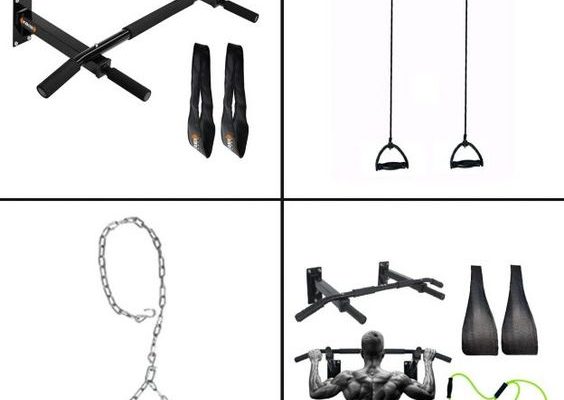
Gymnastics equipment plays a significant role in CrossFit. Pull-up bars, rings, and climbing ropes are essential for bodyweight movements. These tools facilitate exercises like muscle-ups, ring dips, and rope climbs, which develop incredible upper body strength and coordination.
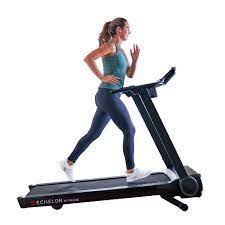
Cardiovascular equipment like rowing machines and assault bikes provide low-impact, full-body conditioning options. These machines are frequently integrated into WODs, offering intense cardiovascular challenges that complement strength training.
Personal protective gear is equally important. Weightlifting shoes with rigid, elevated heels improve squat mechanics and provide stability during Olympic lifts. Knee sleeves offer joint support, while wrist wraps help maintain proper positioning during overhead movements.
Proper clothing is more than just aesthetic in CrossFit. Moisture-wicking, flexible materials allow unrestricted movement during complex exercises. Compression gear can help muscle recovery and provide additional support during intense workouts.
Jump ropes are precision instruments in CrossFit. Speed ropes with lightweight handles enable quick, efficient double-unders—a challenging movement where the rope passes under the feet twice in a single jump. Proper rope selection can significantly impact performance.
Weightlifting belts provide core stability during heavy lifts, helping maintain proper spinal alignment. However, they should be used judiciously, as over-reliance can potentially weaken core muscles.
Chalk is a simple but critical tool, especially during weightlifting and gymnastic movements. It helps reduce hand moisture, improving grip and reducing the risk of slipping during challenging exercises.
Recovery tools like foam rollers, massage balls, and mobility bands are increasingly recognized as essential CrossFit equipment. These help prevent injuries, improve flexibility, and support muscle recovery between intense training sessions.