The Evolution of Fall Guys – From Launch to Free-to-Play
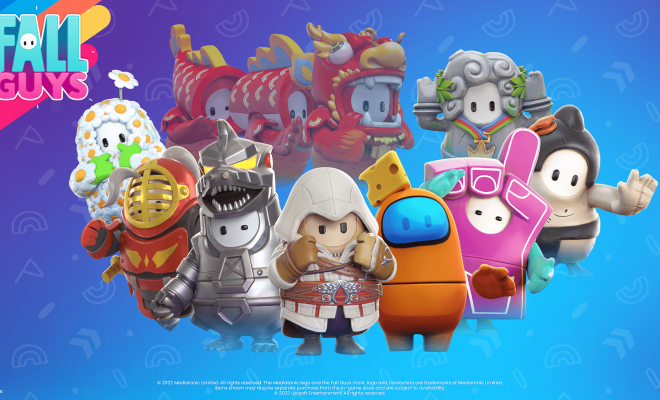
Since its launch in August 2020, Fall Guys: Ultimate Knockout has undergone a significant evolution, adapting to player feedback and industry trends to maintain its position as a beloved multiplayer game. This journey from a paid title to a free-to-play powerhouse offers an interesting case study in game development and marketing strategies.
At launch, Fall Guys was available on PlayStation 4 and PC for a standard price, with the PS4 version being free for PlayStation Plus subscribers in its first month. This initial strategy proved highly successful, with the game becoming the most downloaded PS Plus game of all time. The paid model on PC also saw significant sales, showing that players were willing to pay for the unique experience Fall Guys offered.
The game’s first year saw rapid development, with regular updates introducing new rounds, costumes, and features. Seasonal content became a cornerstone of Fall Guys’ evolution, with each new season bringing a fresh theme and major gameplay additions. This approach kept the game feeling fresh and gave players reasons to return regularly.
Cross-platform play was a significant milestone in Fall Guys’ evolution. Introduced in 2021, this feature allowed players on different platforms to compete together, expanding the player base and reducing matchmaking times. It also paved the way for the game’s eventual expansion to other platforms.
In 2021, Epic Games acquired Tonic Games Group, the parent company of Mediatonic. This acquisition brought new resources and expertise to the Fall Guys team, setting the stage for the game’s next big evolution.
June 2022 marked a turning point for Fall Guys with its transition to a free-to-play model. This move coincided with the game’s release on additional platforms, including Nintendo Switch, Xbox One, and Xbox Series X/S. The free-to-play transition was a bold move, but one that made sense given the changing landscape of multiplayer games.
The shift to free-to-play brought several changes to Fall Guys’ monetization strategy. The game introduced a premium currency, “Show-Bucks,” alongside the existing “Kudos” currency. A battle pass system was implemented, offering both free and premium tracks with various cosmetic rewards. This model allowed the game to remain accessible to all players while providing monetization options for those willing to spend.
The free-to-play transition also saw a revamp of the game’s progression system. The introduction of a medal system and more varied challenges gave players clearer goals and a sense of progression beyond simply winning matches.
Throughout its evolution, Fall Guys has maintained a strong focus on community engagement. The development team has been notably responsive to player feedback, often implementing suggested features or addressing concerns raised by the community. This open communication has been crucial in maintaining player goodwill through the game’s various changes.
Collaborations have become an increasingly important part of Fall Guys’ strategy. Partnerships with popular franchises like Sonic the Hedgehog, Halo, and Assassin’s Creed have brought themed costumes and sometimes entire events to the game, attracting fans of these properties and keeping the content fresh and exciting.
The game’s technical infrastructure has also evolved to support its growing player base. Improvements to server stability and matchmaking systems have been ongoing, addressing one of the main criticisms from the game’s early days.
Fall Guys’ evolution demonstrates the importance of adaptability in the ever-changing gaming industry. By listening to its community, staying current with industry trends, and continuously innovating, Fall Guys has managed to maintain its relevance and popularity long after its initial buzz has faded. As the game continues to evolve, it will be interesting to see how it adapts to new challenges and opportunities in the competitive multiplayer gaming space.