Pokémon Go: Revolutionizing Mobile Gaming & AR in 2016
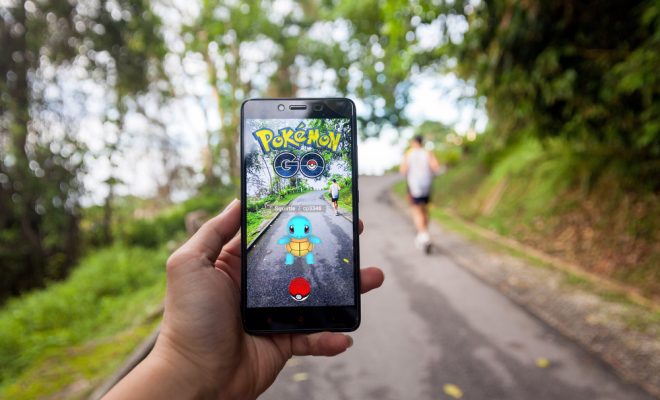
Pokémon Go, released in 2016 by Niantic in collaboration with Nintendo and The Pokémon Company, marked a significant milestone in both the Pokémon franchise and the mobile gaming industry. This augmented reality (AR) game brought the world of Pokémon into the real world, revolutionizing how people interact with mobile games and their environment.
The premise of Pokémon Go is simple yet engaging: players use their smartphones to discover and catch Pokémon that appear in real-world locations. The game uses the phone’s GPS to track the player’s location and augmented reality technology to display Pokémon as if they were in the real world. This blend of virtual elements with the physical world created an immersive experience that was unlike anything most players had encountered before.
Upon its release, Pokémon Go became a global phenomenon. The game broke numerous records, becoming the fastest mobile game to reach 10 million downloads and $100 million in revenue. At its peak, it had over 45 million daily active users. The game’s success was so significant that it temporarily caused Nintendo’s stock price to soar, despite the company only having a partial stake in the game.
One of the most notable impacts of Pokémon Go was how it encouraged physical activity and exploration. Players needed to walk around their neighborhoods, parks, and cities to find Pokémon and hatch eggs. This aspect of the game was praised for promoting exercise and outdoor activities, particularly among demographics that might not otherwise engage in regular physical activity.
The game also had a significant social impact. Pokémon Go created impromptu communities, with players gathering at popular PokéStops and Gyms. These gatherings led to new friendships and social interactions, breaking down barriers between strangers who shared a common interest. Some businesses and cities even embraced the game, organizing Pokémon Go events to attract players and boost local economies.
From a technological standpoint, Pokémon Go popularized augmented reality technology. While AR existed before Pokémon Go, the game brought it into the mainstream, showcasing its potential for entertainment and practical applications. This paved the way for increased investment and interest in AR technology across various industries.
The success of Pokémon Go also influenced the mobile gaming industry. It demonstrated the potential of location-based and AR games, inspiring numerous similar titles. The “real-world gaming” genre expanded, with games based on other popular franchises like Harry Potter and Jurassic World following in Pokémon Go’s footsteps.