Terraria’s Epic Journey: From 2011 Indie Gem to Global Hit
Introduction
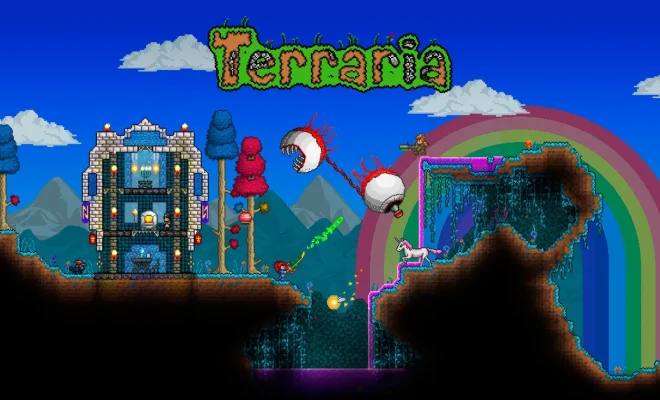
Terraria, the beloved 2D sandbox adventure game, has come a long way since its initial release in 2011. Created by Re-Logic, this pixelated masterpiece has captured the hearts of millions of players worldwide. In this article, we’ll explore the fascinating journey of Terraria, from its modest beginnings to its current status as a global gaming phenomenon.
The Birth of a Legend
Terraria was born from the creative mind of Andrew Spinks, also known as Redigit. Inspired by games like Minecraft and Metroid, Spinks set out to create a unique 2D experience that combined elements of exploration, crafting, and combat. The development process began in January 2011, with Spinks working alongside a small team of passionate developers.
Early Reception and Growth
When Terraria was released on May 16, 2011, it quickly gained traction among indie game enthusiasts. The game’s unique blend of retro-style graphics, procedurally generated worlds, and deep crafting systems struck a chord with players. Within a month of its release, Terraria had sold over 200,000 copies, far exceeding the developers’ expectations.
Continuous Updates and Expansion
One of the key factors in Terraria’s enduring success has been Re-Logic’s commitment to regular updates and expansions. The game has received numerous major updates over the years, each adding substantial new content, features, and improvements. Some notable updates include:
- The 1.1 update (December 2011): Added new biomes, NPCs, and hardmode content.
- The 1.2 update (October 2013): Introduced a massive overhaul of the game, including new bosses, items, and mechanics.
- The 1.3 update (June 2015): Added expert mode, new endgame content, and multiplayer improvements.
- The Journey’s End update (May 2020): A massive final update that added thousands of new items, biomes, and features.
Cross-Platform Success
Terraria’s popularity led to its release on multiple platforms beyond its initial PC launch. The game has been ported to consoles, mobile devices, and even the Nintendo Switch. This cross-platform availability has significantly expanded Terraria’s player base and contributed to its longevity.
Community and Modding
The Terraria community has played a crucial role in the game’s evolution. Fans have created countless mods, texture packs, and custom maps, extending the game’s content far beyond its original scope. The developers have embraced this community creativity, often incorporating popular ideas into official updates.
Cultural Impact
Terraria’s influence extends beyond the gaming world. Its distinctive art style and memorable characters have inspired fan art, cosplay, and merchandise. The game has also been praised for its accessibility, allowing players of all ages and skill levels to enjoy its vast content.
Awards and Recognition
Over the years, Terraria has received numerous accolades from both critics and players. It has won several awards, including:
- IndieDB’s Indie of the Year 2011
- Gamespot’s Best Surprise of 2011
- PC Gamer’s Games of the Year 2011
The Legacy Continues
Even after a decade, Terraria continues to attract new players and retain its dedicated fan base. The game’s success has inspired numerous other indie titles and has become a benchmark for 2D sandbox games.
Conclusion
The evolution of Terraria from a small indie project to a global gaming phenomenon is a testament to the power of creativity, community engagement, and continuous improvement. As Terraria celebrates over a decade of success, it stands as a shining example of how a simple concept, executed with passion and supported by a dedicated community, can grow into something truly extraordinary. The legacy of Terraria will undoubtedly continue to inspire both players and developers for years to come.