The Role of Music and Sound Design in The Witcher 3
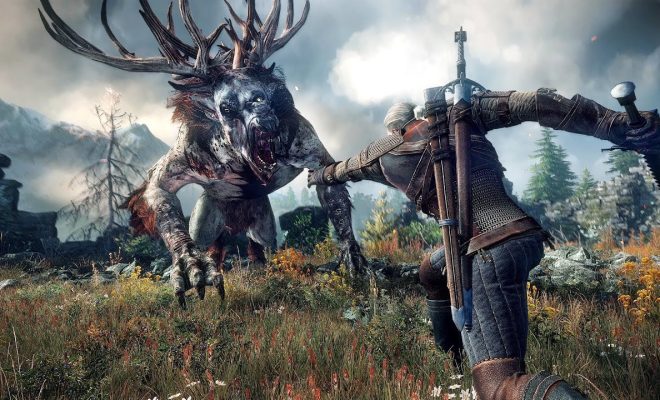
The auditory experience of The Witcher 3: Wild Hunt plays a crucial role in creating its immersive world. From its stirring musical score to its detailed sound design, the game’s audio elements contribute significantly to its atmosphere, emotional impact, and overall player experience.
The musical score, composed primarily by Marcin Przybyłowicz with contributions from Mikolai Stroinski and Percival, is a standout feature of the game. It blends traditional Slavic folk music with more contemporary orchestral and electronic elements, creating a unique sound that perfectly captures the game’s fusion of historical inspiration and fantasy elements. The main theme, with its haunting vocals and driving percussion, has become iconic in the gaming world.
One of the most praised aspects of the soundtrack is how it adapts to the game’s different regions and situations. Each area has its own musical identity: the somber, strings-heavy themes of war-torn Velen contrast with the rousing, sea-shanty-inspired music of Skellige. Combat music ramps up the tension with percussive elements and intense strings, while quieter exploration is accompanied by more ambient, atmospheric tracks.
The use of diegetic music within the game world adds another layer of immersion. Players can encounter bards singing in taverns, military bands playing for troops, or even participate in a narrative moment where Geralt himself plays a lute. These touches help to make the world feel alive and culturally rich.
Sound design in The Witcher 3 is equally impressive. The game world is filled with ambient sounds that change based on location, time of day, and weather conditions. Forests come alive with bird calls and rustling leaves, cities bustle with the sounds of commerce and conversation, and storms rumble ominously in the distance. These details create a sense of place that goes beyond the visual elements.
Combat sounds are crisp and impactful, with different weapons having distinct audio profiles. The sounds of swords clashing, monsters roaring, and Signs being cast all contribute to the visceral feel of battles. Environmental interactions, from the clopping of Roach’s hooves on different surfaces to the creaking of wooden structures, add to the game’s realism.
Voice acting is another area where The Witcher 3 excels. The English voice cast, led by Doug Cockle as Geralt, delivers consistently strong performances that bring the characters to life. The game’s dialogue is well-written and well-delivered, with characters’ personalities shining through in their vocal performances. The decision to give different accents to characters from different regions adds to the world-building and helps distinguish the various cultures within the game.
The sound mixing in The Witcher 3 deserves special mention. The balance between music, ambient sounds, sound effects, and dialogue is well-managed, creating a rich audio landscape without overwhelming the player. The dynamic nature of this mixing, where elements fade in and out based on the player’s actions and location, helps to maintain immersion.
One particularly noteworthy use of sound is in the Witcher senses mechanic. When Geralt uses his enhanced senses to investigate an area, the ambient sound becomes muffled, and a subtle but distinct audio cue plays. This not only serves a gameplay function but also helps players feel like they’re experiencing Geralt’s heightened perceptions.
The game’s expansions, Hearts of Stone and Blood and Wine, continue the high standard set by the base game, with new musical themes and sound designs that fit their unique settings and tones. The Blood and Wine soundtrack, in particular, introduces a more romantic, almost fairy-tale like quality to match its new region of Toussaint.
In conclusion, the music and sound design of The Witcher 3 are integral to its success in creating a believable, immersive world. From its memorable musical score to its detailed ambient sound design, from its impactful combat audio to its strong voice performances, every aspect of the game’s audio contributes to making the Northern Kingdoms a place that feels real and alive. It’s a testament to the power of audio in gaming and sets a high bar for future open-world games.