
How to Fly Fish: 14 Steps
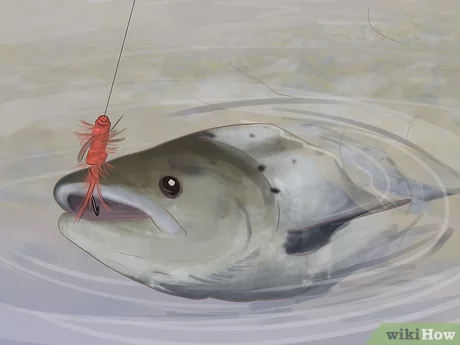
Fly fishing is a popular and enjoyable sport that combines the tranquility of nature with the art of casting a fly. Whether you’re new to this hobby or a seasoned angler, mastering the art of fly fishing requires patience and practice. Here’s a step-by-step guide to help you on your journey.
1. Choose the right gear: Start by selecting a suitable rod, reel, and fly line according to your target fish species and location.
2. Learn to tie fly fishing knots: Essential knots include the clinch knot, surgeon’s knot, and nail knot. Practice tying these knots so you can confidently connect your gear when needed.
3. Familiarize yourself with flies: Understand the different types of flies, such as dry flies, nymphs, and streamers, and how each one is used to mimic aquatic insects and other prey that fish eat.
4. Dress appropriately: Wear clothing suitable for the weather and wading boots for traction in slippery riverbeds. Don’t forget polarized sunglasses to protect your eyes and improve visibility underwater.
5. Learn to cast: Practice various casting techniques like the basic overhead cast, roll cast, and sidearm cast to present your fly accurately in different fishing situations.
6. Understand where fish are: Study different water types like riffles, pools, and runs so you can identify where fish are likely to be found in rivers or streams.
7. Approach cautiously: Move slowly to avoid spooking fish by making as little noise as possible while wading or walking along the shore.
8. Observe insect activity: Pay attention to insects flying around or floating on the water’s surface as they may indicate what type of fly you should use for that day.
9. Cast upstream: Present your fly by casting upstream or across-stream then allowing it to drift naturally with the current towards likely fish-holding areas.
10. Set the hook: When a fish takes your fly, lift your rod tip firmly but smoothly to set the hook in the fish’s mouth.
11. Play and land the fish: Keep tension on the line while allowing the fish to run with your fly. Gently apply pressure on the reel to tire the fish out, then guide it into a net or shallow water.
12. Handle fish carefully: If you plan on releasing the fish, keep it in the water as much as possible and use wet hands or a soft landing net to avoid injuring its sensitive skin and scales.
13. Release the fish safely: Hold the fish facing upstream and gently move it back and forth to help it regain its strength before allowing it to swim away.
14. Practice good stewardship: Respect local fishing regulations, dispose of your trash properly, and follow “catch and release” guidelines when appropriate to preserve healthy fish populations for future generations of anglers.
Mastering these 14 steps will pave the way for many rewarding fly fishing adventures. With patience, practice, and respect for nature, you’ll experience the beauty and satisfaction of this timeless sport.

