The Protein Craze: Why Balance Might Be the Key to Optimal Nutrition
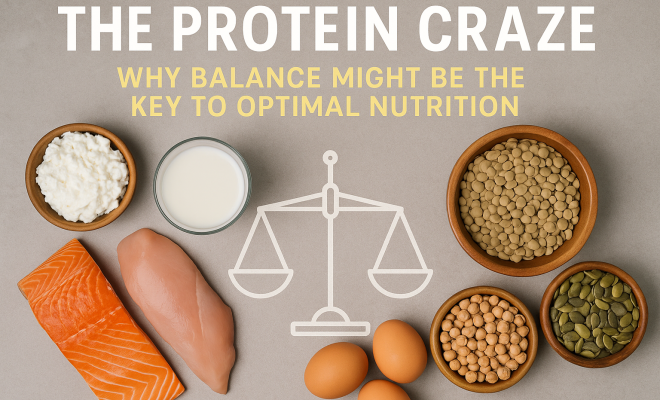
“`html
The surge in popularity surrounding protein intake is undeniable. Social media is flooded with high-protein recipes, protein powders, and snacks emphasizing their protein content. Yet, amidst this frenzy, a critical question arises: Are we missing the bigger picture? As more people adopt high-protein diets, many are inadvertently cutting back on carbohydrates and other essential food groups, risking the overall quality of their dietary patterns. Let’s explore this growing trend and why a balanced approach might be the better way to go.
1. The Rise of Protein-Centric Diets
The focus on protein intake has become a major trend in recent years, with various diets promoting high protein as a means to achieve health and weight loss goals. From keto to paleo, these dietary frameworks often emphasize the importance of consuming more protein while simultaneously reducing carbohydrates and fats. The allure is understandable: protein is known to promote satiety, helping individuals feel fuller for longer. Yet, this fixation can lead to unintended consequences.
Recent studies suggest that while protein is indeed vital for muscle repair and growth, an excessive intake can overshadow the benefits of a more diverse diet. The drive to increase protein consumption often leads individuals to overlook the importance of carbohydrates, fiber, and micronutrients found in fruits, vegetables, and whole grains. As such, the dietary landscape is becoming increasingly skewed towards a single macronutrient at the expense of overall nutrition.
2. The Impact of Reducing Carbohydrates
Carbohydrates have long been demonized in the nutrition space, often branded as the villains in weight gain and chronic disease. However, this perspective fails to appreciate the role of carbohydrates in a balanced diet. Not all carbs are created equal; complex carbohydrates found in whole grains, legumes, and vegetables are rich in fiber, vitamins, and minerals, playing a crucial role in maintaining overall health.
When individuals reduce their carbohydrate intake significantly, they may miss out on the benefits associated with these nutrient-dense foods. Research consistently indicates that a diet rich in whole grains and fiber is linked to lower risks of chronic diseases such as heart disease and diabetes. In essence, while protein intake is essential, it shouldn’t come at the cost of other vital nutrients.
3. Understanding the Bigger Picture of Nutrition
Emphasizing protein intake is one part of a larger nutrition conversation. Many health experts advocate for balanced dietary patterns that prioritize a variety of food groups. The Mediterranean diet serves as an exemplary model, highlighting the importance of incorporating diverse sources of nutrition.
This dietary approach emphasizes fruits, vegetables, whole grains, legumes, nuts, and healthy fats while incorporating fish and limited dairy. It’s a holistic view of eating that promotes not just one macronutrient but a spectrum of nutrients essential for optimal health. By focusing solely on protein, there’s a risk of neglecting these other food groups, which can lead to nutritional deficiencies over time.
4. The Evidence Supporting Balanced Diets
Extensive research has shown that balanced diets rich in various food groups significantly reduce the risk of chronic diseases. A meta-analysis published in the *American Journal of Clinical Nutrition* corroborates that diets high in fruits, vegetables, and whole grains correlate with better health outcomes. These foods provide essential vitamins, antioxidants, and phytonutrients that support immune function and overall well-being.
On the contrary, focusing primarily on protein intake can lead to a diet lacking in these critical nutrients. For instance, while protein-rich foods can aid in muscle maintenance, a lack of fiber from fruits and vegetables may lead to digestive issues and other health complications. Nutritional balance is paramount, and it appears that a singular focus on protein can detract from this vital principle.
5. Redefining Protein Intake: Quality Over Quantity
Not all protein sources are equal. The quality of protein consumed can vary significantly depending on the source. For example, lean meats, fish, dairy, legumes, and nuts provide not only protein but also essential fats and nutrients. In contrast, processed protein sources, often found in high-protein snacks and supplements, can come loaded with sugars, unhealthy fats, and preservatives.
Thus, rather than merely increasing protein intake across the board, individuals should focus on the quality of the proteins they are consuming. Incorporating high-quality protein sources such as fish, chicken, legumes, and nuts can provide health benefits without compromising the intake of other essential nutrients. It’s about finding that sweet spot where protein intake supports health without overshadowing the importance of a balanced diet. (See: The role of protein in diet.)
6. The Role of the Mediterranean Diet in Protein Intake
The Mediterranean diet is often touted for its health benefits, particularly its balanced approach to protein intake. By incorporating fish as a foundational protein source, this diet minimizes reliance on red meats while promoting the consumption of fruits, vegetables, and whole grains. Notably, olive oil is a staple, providing healthy fats that enhance overall nutrient absorption.
What’s particularly interesting about the Mediterranean diet is how it prioritizes variety and moderation. This allows individuals to enjoy protein-rich foods while also ensuring they receive an array of other necessary nutrients. By adopting such a balanced approach, individuals can enjoy the benefits of protein intake without the pitfalls of an overly restrictive diet.
7. The Cultural Shift in Nutritional Perspectives
As the protein craze takes hold, there’s a noticeable shift in the way people perceive nutrition. Social media campaigns often glorify high-protein products, creating a fear of missing out (FOMO) among those who may feel pressured to adopt similar dietary patterns. This cultural shift can lead to unhealthy relationships with food, where individuals may obsess over macronutrient ratios instead of embracing a more intuitive approach to eating.
Education plays a crucial role here. Understanding the importance of macronutrients and micronutrients can empower individuals to make informed choices about their diets. Instead of succumbing to trends, individuals can cultivate a healthier relationship with food by recognizing that nutritional balance is key to overall well-being.
8. Expert Opinions on Protein Intake Trends
Nutrition experts emphasize that moderation is vital when it comes to protein intake. Many health professionals advocate for balanced eating patterns that include a variety of food groups, rather than fixating on specific macronutrients. They argue that while protein is crucial, it should not dominate dietary choices to the detriment of other important nutrients.
Dr. Lisa Young, a registered dietitian and nutritionist, reminds us that “the goal should be to create a dietary pattern that includes a range of macronutrients and allows for a variety of foods. Balance is essential for both physical and mental health.” This perspective underscores the importance of an inclusive approach to nutrition and the potential pitfalls of overly restrictive diets.
9. Finding Balance in Your Diet
So, how can you achieve a balanced diet amidst the protein craze? Start by incorporating a variety of food groups into your meals. Aim for plates filled with colorful fruits and vegetables, whole grains, and healthy fats alongside your protein-rich foods. Instead of focusing solely on macronutrient ratios, pay attention to how the foods you consume make you feel.
Additionally, consider seeking guidance from a registered dietitian to help tailor a dietary plan that suits your individual needs and preferences. Embracing the philosophy of balance may not only enhance your nutritional intake but also promote a healthier relationship with food overall. Remember, it’s not just about protein intake; it’s about nurturing your body with a wide array of nutrients that support your long-term health.
10. Protein Intake and Exercise: Finding the Right Balance
For those who are physically active or looking to build muscle, protein intake is often seen as paramount. However, it’s essential to recognize that exercise, particularly strength training, can influence the amount of protein you need. The general recommendation for those involved in heavy exercise is about 1.2 to 2.0 grams of protein per kilogram of body weight, depending on the intensity and type of training.
This doesn’t mean you should load up on protein shakes and bars. Instead, whole food sources should be prioritized. Foods such as chicken, fish, beans, lentils, and quinoa not only provide protein but also other nutrients that support recovery and overall health. Balance in your diet is just as crucial for an athlete as it is for anyone else, ensuring that you’re not only fueling muscle growth but also enhancing performance and recovery.
11. The Importance of Timing Your Protein Intake
While the total amount of protein consumed throughout the day is vital, the timing can also play a significant role in maximizing its benefits. Nutritional studies suggest that distributing protein intake evenly throughout the day can enhance muscle protein synthesis. This is especially important for those engaging in resistance training.
Incorporating protein-rich foods in the post-workout window (within 30 minutes to 2 hours) can aid in recovery and muscle growth. A simple snack like Greek yogurt with fruit or a protein-rich smoothie can be effective. Paying attention to when you consume protein in relation to your workouts can help optimize your performance and recovery.
12. Common Myths About Protein Intake
With the rise of protein-centric diets, several myths have emerged regarding protein intake. Let’s debunk a few of the most common ones: (See: CDC nutrition resources.)
- Myth 1: More protein means more muscle. The body has a limit to how much protein it can utilize for muscle building at one time. Consuming excessive amounts will not lead to more muscle gain and can lead to negative health effects.
- Myth 2: All protein sources are equal. As discussed earlier, the source and quality of protein are essential. Whole food sources provide additional nutrients that processed protein supplements do not.
- Myth 3: You can only get protein from animal products. While animal products are rich in protein, there are ample plant-based sources such as legumes, nuts, seeds, and whole grains that can meet protein needs effectively.
13. Statistics on Protein Intake in the U.S.
Recent statistics indicate that the average American consumes about 80 grams of protein daily, which is above the recommended dietary allowance (RDA) of 56 grams for men and 46 grams for women. This increase is partly attributed to the rising popularity of high-protein diets, sports nutrition, and the availability of protein supplements.
Interestingly, studies show that younger adults, particularly those aged 18-34, are consuming more protein than older generations, likely due to the influence of fitness culture and social media. A survey indicated that around 70% of millennials believe they need more protein in their diet, reflecting the cultural shift towards high-protein eating.
14. Practical Tips for Enhancing Protein Intake
For those looking to increase their protein intake while maintaining a balanced diet, here are some practical tips:
- Incorporate protein in every meal: Aim to include a source of protein in each meal, whether it’s eggs for breakfast, chicken for lunch, or beans for dinner.
- Snack smart: Opt for high-protein snacks like Greek yogurt, cottage cheese, or a handful of nuts rather than processed snacks.
- Experiment with plant-based proteins: Try adding tofu, tempeh, or edamame to your meals for a nutritious protein boost.
- Use protein-rich grains: Substitute regular rice with quinoa or farro, which offer a higher protein content.
15. Frequently Asked Questions About Protein Intake
Q: How much protein do I really need?
A: The amount of protein you need depends on various factors, including your age, sex, and activity level. The general guideline is 0.8 grams of protein per kilogram of body weight for sedentary adults. Active individuals may require more, around 1.2 to 2.0 grams per kilogram.
Q: Is it possible to eat too much protein?
A: Yes, consuming excessive protein can lead to health issues, including kidney strain, dehydration, and loss of bone density. Moderation is key to a healthy diet.
Q: Can I get enough protein from a vegetarian or vegan diet?
A: Absolutely! A well-planned vegetarian or vegan diet can provide all the protein you need through legumes, nuts, seeds, soy products, and whole grains.
Q: What are the best sources of protein?
A: Some of the best sources of protein include lean meats, fish, eggs, dairy products, legumes, tofu, and quinoa. It’s beneficial to opt for high-quality protein sources for the best health outcomes.
Q: Should I take protein supplements?
A: While protein supplements can be convenient, it’s best to prioritize whole food sources of protein. Supplements can be beneficial for those with specific dietary restrictions or high protein needs, but they shouldn’t replace a balanced diet.
16. The Future of Protein Intake
As discussions around nutrition evolve, so does the understanding of protein intake. Emerging trends include a focus on sustainability, with plant-based proteins gaining traction as more individuals seek to reduce their environmental impact. Innovations in food technology are also leading to the development of alternative protein sources, such as lab-grown meats and insect-based proteins, which could change how we view protein sources.
The future may bring a more comprehensive understanding of protein that emphasizes not only quality and quantity but also the ecological footprint of our food choices. As these conversations advance, individuals can look forward to a shift towards more sustainable, nutritious, and balanced eating habits that respect both personal health and the health of our planet. (See: Healthy diet guidelines from WHO.)
17. Exploring Protein Needs Across Different Life Stages
Protein intake varies significantly across different life stages. For instance, children need protein for growth and development, while older adults require it to maintain muscle mass and strength. Pregnant or breastfeeding women also have heightened protein needs to support fetal development and lactation. Understanding these variations can help tailor protein intake to meet the specific demands of each life stage.
Children aged 1-3 typically require 13 grams of protein per day, increasing to 34 grams for those aged 4-8. Teenage boys need about 52 grams, while girls require around 46 grams daily. For adults, the recommendations stabilize at about 46 grams for women and 56 grams for men. However, during pregnancy, women need an extra 25 grams to support the growing baby.
18. Protein Intake and Weight Management
Many people turn to high-protein diets for weight management, and there’s solid evidence to support this approach. Protein is known to increase satiety, which can help reduce overall calorie intake. Studies have shown that diets higher in protein can lead to significant weight loss and fat loss, with a study published in the *American Journal of Clinical Nutrition* indicating that participants on a high-protein diet lost 20% more body fat compared to those on a standard diet.
Additionally, protein plays a crucial role in preserving lean muscle mass during weight loss. When you lose weight, it’s common to lose muscle along with fat. Ensuring adequate protein intake helps mitigate muscle loss, allowing individuals to maintain a healthier body composition as they shed pounds.
19. Personalizing Your Protein Intake
One size doesn’t fit all when it comes to protein intake. Personal factors such as activity level, body weight, health conditions, and dietary preferences all play a role in determining your protein needs. It’s essential to assess your lifestyle and goals when deciding how much protein to incorporate into your diet.
For example, a recreational runner may have different protein needs compared to a bodybuilder or someone recovering from surgery. Monitoring your body’s response to dietary changes can provide insight into what works best for you. Keeping a food diary or consulting with a nutritionist can also help you understand your unique protein needs more effectively.
20. Emerging Research on Protein and Health
As nutritional science continues to evolve, new research is emerging that highlights the diverse roles of protein in health and disease prevention. Studies have suggested that certain proteins may play a role in regulating blood sugar levels and cholesterol, potentially reducing the risk of diabetes and cardiovascular diseases. For example, whey protein has been found to have beneficial effects on insulin sensitivity, making it a popular choice among those looking to manage blood sugar.
Other studies are revealing the potential anti-inflammatory properties of various protein sources. Plant-based proteins like legumes and nuts are being investigated for their ability to reduce markers of inflammation in the body, which is linked to numerous chronic health conditions. As we gain a deeper understanding of these relationships, the role of protein in the diet may become even more significant in the context of holistic health.
“`
Trending Now
Frequently Asked Questions
Is a high-protein diet healthy?
A high-protein diet can be beneficial for muscle repair and satiety, but excessive protein intake may lead to neglecting other essential nutrients. Balance in diet is key, as it ensures adequate carbohydrates, fiber, and micronutrients from diverse food sources.
What are the dangers of low carbohydrate diets?
Low carbohydrate diets can limit the intake of essential nutrients found in fruits, vegetables, and whole grains. This can lead to nutrient deficiencies and negatively impact overall health, as carbohydrates are important for energy and digestive health.
Why is balance important in nutrition?
Balance in nutrition is vital as it promotes a well-rounded intake of all macronutrients and micronutrients. Relying too heavily on protein can result in missing out on the benefits of carbohydrates, healthy fats, and vitamins necessary for optimal health.
What should a balanced diet include?
A balanced diet should include a variety of foods from all food groups: proteins, carbohydrates, healthy fats, fruits, and vegetables. This diversity ensures that the body receives all necessary nutrients for energy, growth, and overall well-being.
Can you get enough protein from a balanced diet?
Yes, a balanced diet can provide sufficient protein through a variety of sources, including lean meats, legumes, dairy, and plant-based foods. It's important to focus on quality and diversity rather than solely increasing protein intake.
What did we miss? Let us know in the comments and join the conversation.